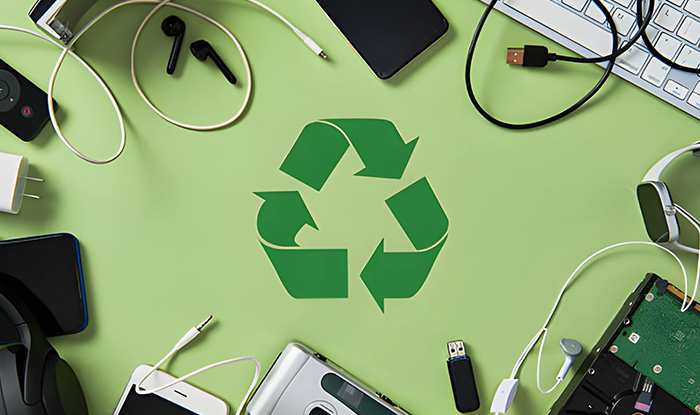
Many people believe that simply tossing something into a recycling bin guarantees it will become a new product. In reality, recycling is a complex system that is influenced by economics, infrastructure, contamination, and global policies. By turning used materials into new products, recycling helps save energy, cut pollution, and limit what ends up in landfills.
It also plays a key role in managing e-waste, which includes discarded electronics like phones, computers, and batteries. These elements have valuable materials that can be harmful if not properly recycled.
To gain an in-depth understanding of how recycling works, let’s take a look at some of the most important facts that show its impact.
- What is E-waste Recycling?
- 15 Facts about Recycling that You Should Know
- Fact 1 — The World Produces Record-High E-Waste (and Only a Fraction Is Recycled)
- Fact 2 — A Single Smartphone Contains 40+ Elements
- Fact 3 — Improper Recycling Can Literally Kill
- Fact 4 — Recycling Creates Far More Jobs than Landfilling or Incineration
- Fact 5 — Many ‘Recyclable’ Materials Never Get Recycled
- Fact 6 — The Recycling System Was Never Designed for Modern Waste
- Fact 7 — Recycling Dramatically Cuts Carbon Emissions
- Fact 8 — Holidays Create Massive Spikes in Waste
- Fact 9 — Recycling One Ton of Paper Saves 17 Trees & 7,000 Gallons of Water
- Fact 10 — Up to 80% of ‘Recycled’ E-Waste Is Actually Exported
- Fact 11 — The Future of Recycling Is High-Tech
- Fact 12 — Battery Recycling Is Becoming a Global Emergency
- Fact 13 — Reduction & Reuse Matter More in Recycling
- Fact 14 — Community Behavior Still Determines Recycling Success
- Fact 15 — The Economics of Recycling Are Changing Fast
- The Bottom Line: Partner with an ITAD service
- FAQs
What is E-waste Recycling?
It refers to the process of collecting and processing discarded electronic devices and equipment (known as e-waste or electronic waste). The process aims to recover valuable materials, reduce environmental harm, and allow for proper disposal. E-waste includes a wide range of items like old computers, smartphones, televisions, printers, batteries, and other electronic gadgets.
The main objectives of e-waste recycling are:
- Recovery of valuable materials: Electronic devices do contain precious metals like gold, silver, platinum, copper, and rare earth elements. These can be extracted and reused, reducing the need for mining.
- Preventing environmental pollution: Many items also have hazardous materials like lead, mercury and cadmium. If these devices are not properly disposed of, the toxic substances can contaminate soil and water.
- Conserving resources: By recycling e-waste, the demand for new raw materials is reduced, which helps conserve natural resources.
- Reducing landfill waste: E-waste makes up a chunk of landfill waste, and when left there, it can take hundreds of years to decompose. Recycling helps minimize the environmental footprint of discarded electronics.
How E-Waste Recycling Works
This is a process that has quite a few steps from start to finish.
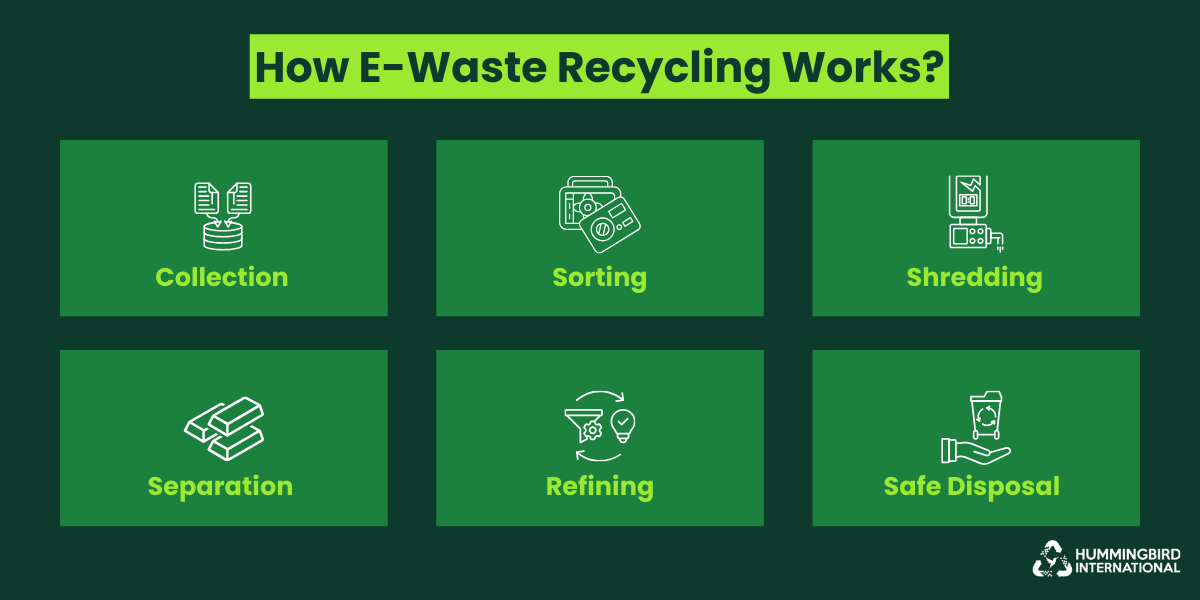
These are:
- Collection
E-waste is collected from households, businesses, or designated collection points.
- Sorting and Disassembly
The items are sorted based on type and then manually or mechanically dismantled to separate components, such as circuit boards, plastics, metals, and screens.
- Shredding
Devices like computers are shredded into smaller pieces to make it easier to separate valuable materials from waste.
- Separation
With techniques like magnets, air classification, and water-based separation, materials such as gold, silver, copper, and aluminum are extracted.
- Purification and Refining
The extracted metals and materials are refined and purified for reuse in manufacturing new products.
- Safe Disposal
Any non-recyclable or harmful materials are disposed of securely, in a way that minimizes environmental impact.
E-waste recycling also promotes a circular economy, where the lifecycle of electronic products is extended.
Why Consider Proper Recycling?
Simply putting non-recyclables in the bin and hoping they’ll be recycled gets you nowhere. It’s why certified ITAD services work closely with businesses to make sure that their e-waste is processed and removed without any liability or environmental damage.
Here are a few reasons why proper recycling is needed:
- Many items labeled ‘recyclable’ are not accepted by local facilities
- Contamination can cause entire batches to be landfilled
- Economic factors determine whether recycling is feasible, not just technical recyclability
- The world produces over 2 billion tons of municipal solid waste every year, and this number is projected to rise sharply
- E-waste, the fastest-growing waste stream, is expected to hit 75 million tons per year within the decade
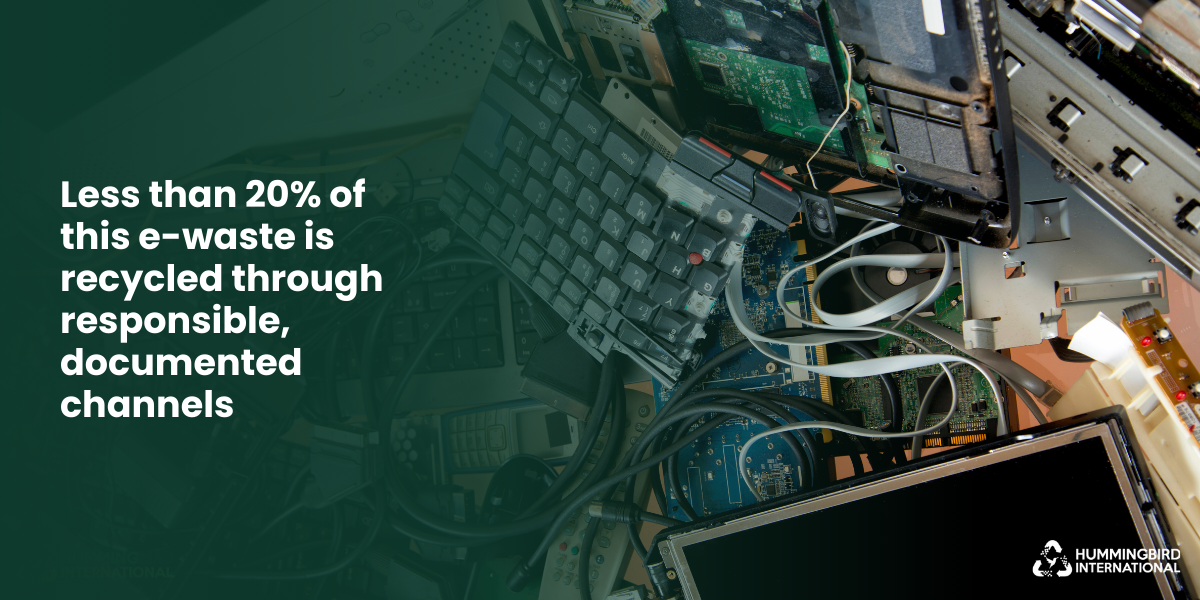
- Less than 20% of this e-waste is recycled through responsible, documented channels
For decades, public messaging has simplified recycling into a feel-good, one-step solution: ‘recycle trash.’ This created a widespread belief that almost everything can be recycled and that anything placed in a recycling bin will be recycled. And that’s not entirely correct.
-
Electronic Consumption
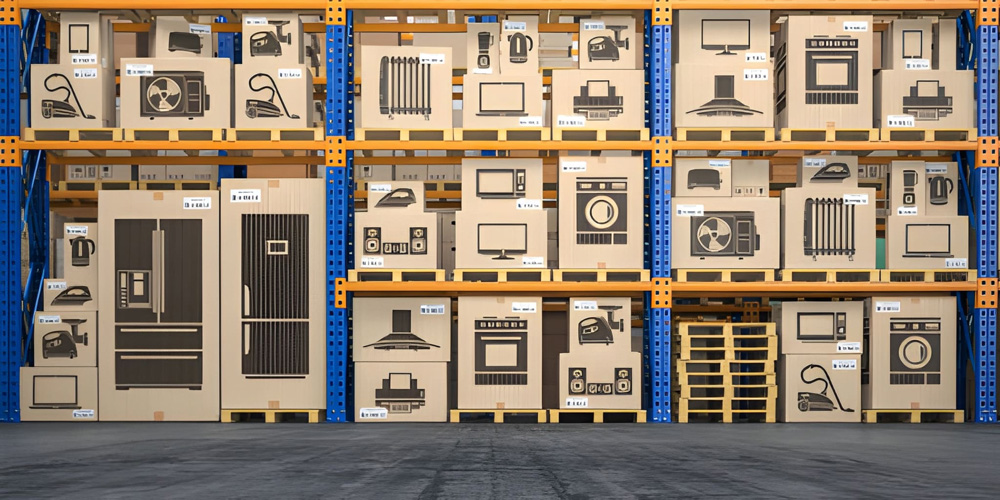
Image Source: iStock/Bet_Noire
Recycling is more important than ever, given the rising global waste generation. It’s almost like a waste explosion. This means the majority of electronic devices, full of toxic metals and valuable rare earth elements, end up:
- in landfills, leaching harmful chemicals
- in informal recycling hubs where they’re burned in the open air
- or exported illegally to developing countries
Consumers often believe recycling is ‘taken care of’, but the system hasn’t kept pace with consumption.
-
Climate Urgency

Image Source: iStock/FG Trade Latin
During COP21, global leaders recognized that material recovery and circular economy practices are essential for meeting climate targets. Recycling is more than just managing waste and is responsible for:
- Reducing emissions from raw material extraction
- Lowering energy use in manufacturing
- Cutting down transport emissions
- Avoiding methane production from landfills
For example, recycling aluminum uses 95% less energy than producing it from ore. Since recycling systems are also misunderstood and underdeveloped, countries are missing out on massive climate gains.
COP21 emphasized that without improved recycling and circularity, climate goals are unreachable.
-
Health Risks of Improper Recycling
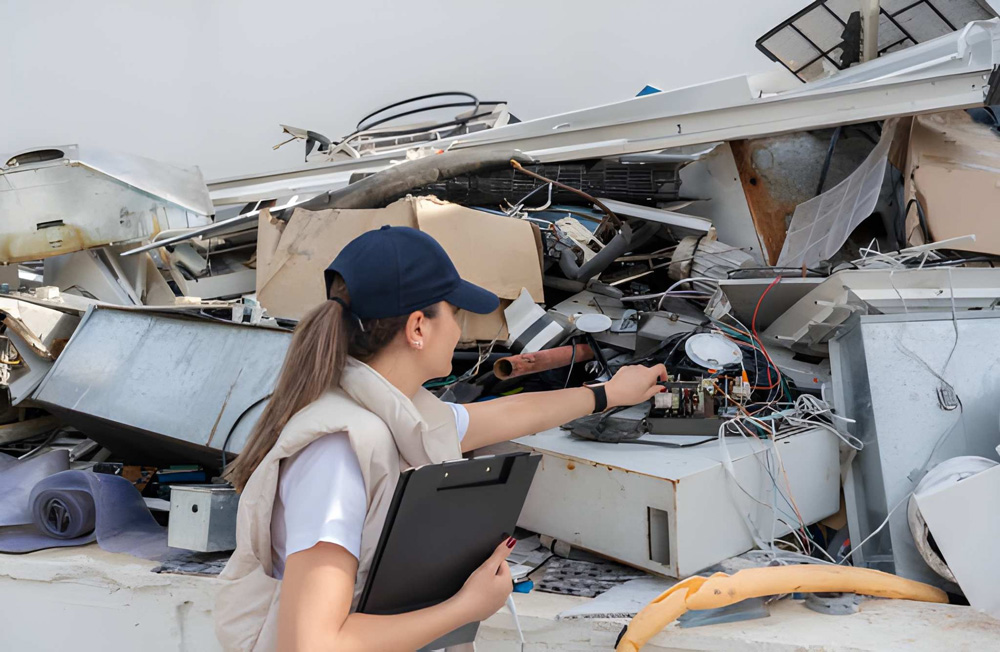
Image Source: iStock/aquaArts studio
The dangers of inadequate recycling directly affect human health:
- Burning electronics releases chemicals, brominated flame retardants, and microplastics into the air
- Informal recycling workers, sometimes children, suffer respiratory illnesses, neurological damage, and long-term cognitive impairment
- Communities near dumping grounds face contaminated water, soil, and food chains
Recycling only works when:
- The materials are clean and correctly sorted
- Systems are well-funded
- Policies support responsible collection and processing
- Consumers understand what actually happens after disposal
Without this clarity:
- contamination rises
- local programs fail
- waste leaks into dangerous informal channels
- valuable materials are lost
- and climate targets move out of reach
15 Facts about Recycling that You Should Know
It’s important to be well-informed about recycling, as that can help create more awareness and make the disposal process smoother. Let’s take a look at some of the key facts about recycling that are not commonly known.
Fact 1 — The World Produces Record-High E-Waste (and Only a Fraction Is Recycled)
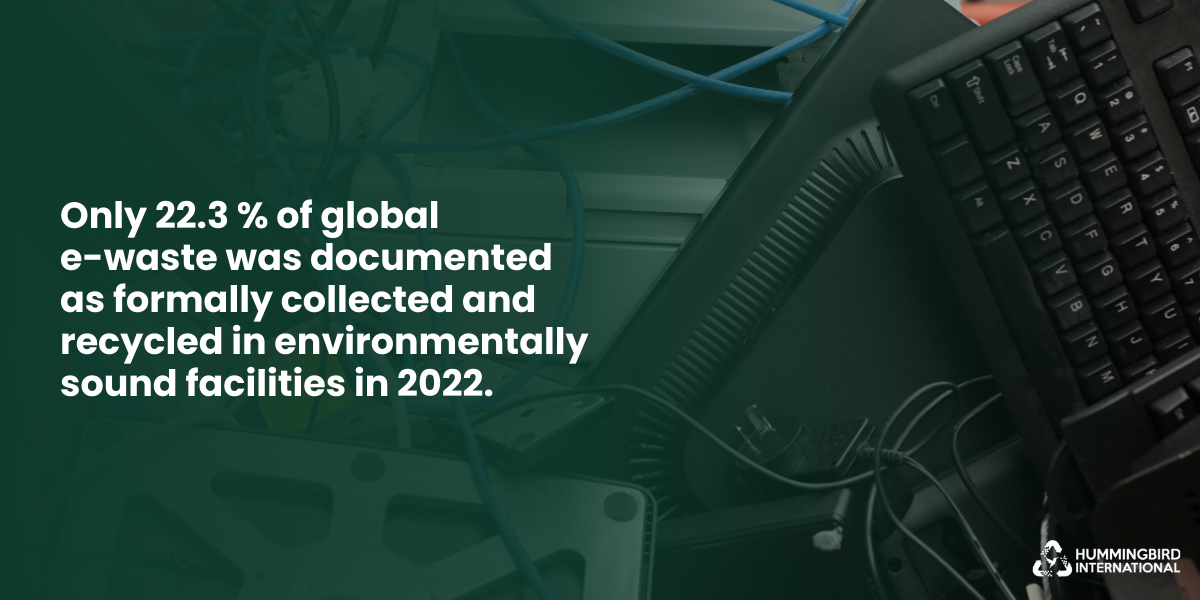
Global e-waste reached 62 million metric tons in 2024, making it the fastest-growing waste stream on the planet. And only 17–20% is formally collected and recycled through certified ITAD service providers. That means over 50 million tons are dumped, burned, or processed informally every year.
Why the crisis?
- Recycling infrastructure hasn’t scaled with device proliferation.
- Complex electronics require advanced sorting and recovery systems, which many regions lack.
- Informal markets outcompete formal recyclers in many developing countries.
- Many businesses still store e-waste instead of disposing of it properly.
If current trends continue, global e-waste will exceed 75 million tons by 2030. Without rapid reform, most will remain unrecycled.
Global E-Waste (2024–2025)
| Metric | Current Status |
| Global e-waste generated (annual) | ~62 million metric tons |
| Projected e-waste by 2030 | ~75 million metric tons |
| Formal recycling rate | 17–20% |
| Informally processed or dumped | ~80% |
| Fastest-growing waste stream | Electronics |
| Top growth drivers | Smartphones, IoT, EVs, data centers |
Fact 2 — A Single Smartphone Contains 40+ Elements
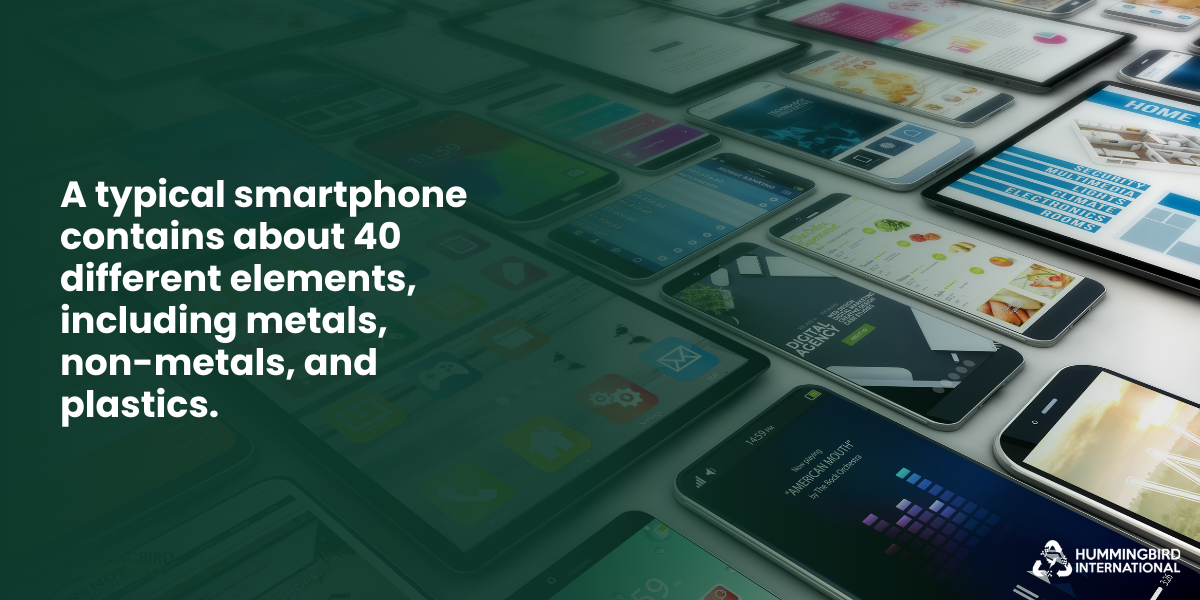
Modern smartphones contain more than 40 elements, including rare earths, precious metals, and hazardous substances:
- Cobalt, lithium, nickel (battery)
- Gold, silver, palladium (circuitry)
- Neodymium, dysprosium (speakers, vibration motors)
- Brominated flame retardants & plastics (casings)
When phones are burned or dismantled in informal facilities:
- Batteries release toxic fumes and can explode
- Poisonous gases form when plastics are burned
- Heavy metals leach into soil and water
These elements make safe recycling essential, both for recovering scarce resources and preventing deadly exposure.
What’s Inside a Smartphone
| Material | Where It’s Used | Why It Matters |
| Lithium | Battery | Fire risk, scarce resource |
| Cobalt | Battery cathode | Ethical mining concerns |
| Nickel | Battery & circuitry | High environmental extraction cost |
| Gold | Circuit boards | High recovery value |
| Copper | Wiring | Energy-intensive mining |
| Rare earths | Speakers, vibration motors | Extremely hard to replace |
| Plastics & flame retardants | Casings | Toxic when burned |
Fact 3 — Improper Recycling Can Literally Kill
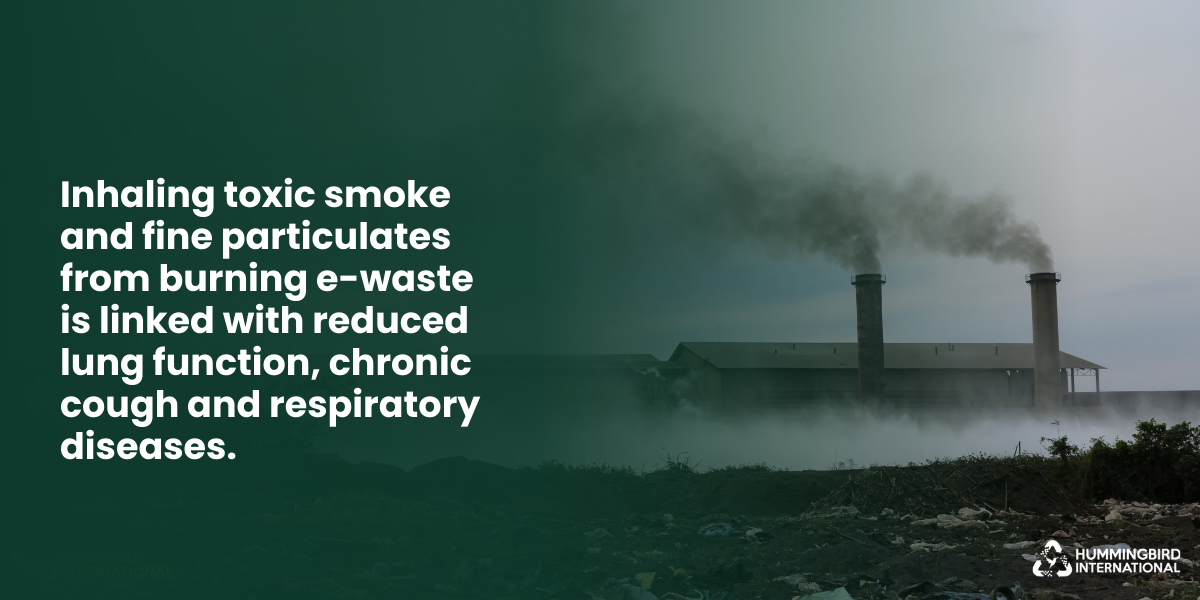
In informal recycling hubs in Asia and Africa, workers dismantle electronics by hand, burn wires for copper, and use acid baths to extract metals.
Documented health risks include:
- Lung disease from inhaling toxic smoke
- Heavy metal poisoning (lead, cadmium, mercury)
- Neurological disorders
- Birth defects and early mortality in exposed communities
Children working in informal e-waste yards are especially vulnerable. Improper recycling is both environmentally destructive and a public health emergency. Certified ITAD providers prevent this by using sealed shredders, controlled emissions, and safe chemical recovery.
Fact 4 — Recycling Creates Far More Jobs than Landfilling or Incineration
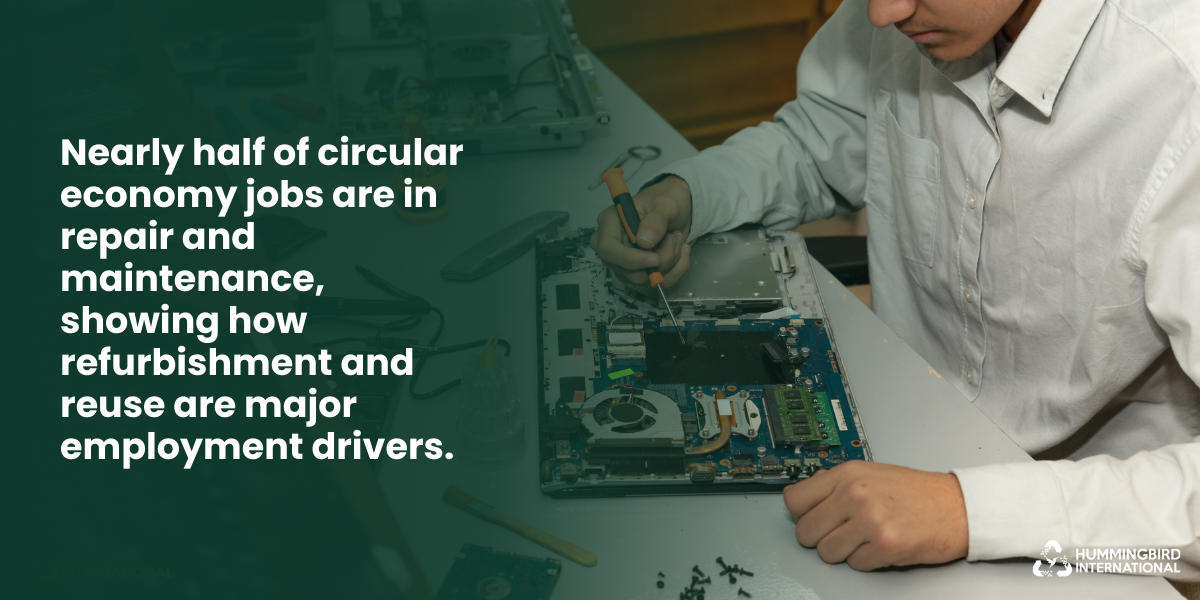
Recycling is a green economic engine. Studies from UNEP and CEEW show that:
- Recycling creates 10x more jobs per ton than landfilling.
- Refurbishment and repair create 20–30x more jobs than simple disposal.
- A functional recycling industry can support thousands of workers in logistics, sorting, repair, data destruction and material processing.
Countries scaling formal recycling operations see measurable economic uplift. A circular economy is a major local employment opportunity.
Recycling vs Landfilling — Jobs/ Climate Impact
| Waste Handling Method | Jobs per 10,000 Tons | Carbon Impact |
| Landfilling | 6–8 jobs | High methane emissions |
| Incineration | 1–2 jobs | High CO₂ + toxic emissions |
| Recycling | 30–40 jobs | Major emission reductions |
| Repair and refurbishment | 200+ jobs | Lowest carbon footprint |
Fact 5 — Many ‘Recyclable’ Materials Never Get Recycled
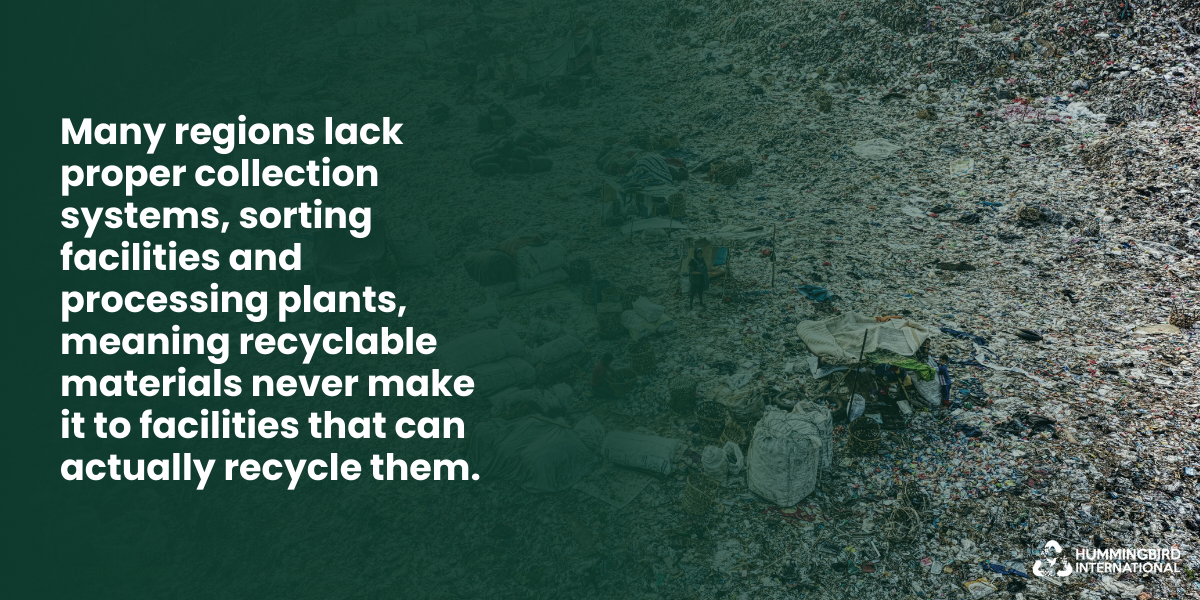
A product being recyclable doesn’t mean it gets recycled. Reasons most recyclable waste still ends up in landfills:
- Contamination (food residue, liquids, mixed materials)
- Low market value (glass, mixed plastics)
- Insufficient local processing capacity
- Wrong-bin disposal due to consumer confusion
Even in advanced economies, only:
- 5–10% of plastics are recycled
- 40–50% of paper
- 30% of e-waste (in best-performing countries)
This gap fuels the global waste crisis.
Fact 6 — The Recycling System Was Never Designed for Modern Waste

Traditional recycling systems were built for:
- Paper
- Glass
- Aluminum
But today’s waste stream includes:
- Lithium-ion batteries
- Smart devices and IoT
- Composite plastics
- Wearables and microelectronics
- EV batteries and solar panels (rapidly growing waste categories)
Why ‘Recyclable’ May Not Mean Recycled
| Barrier | Impact on Recycling |
| Contamination | Entire batches rejected |
| Low commodity value | Recycling becomes uneconomical |
| Mixed materials | Difficult or impossible to separate |
| Outdated facilities | Can’t process modern electronics |
| Consumer confusion | High rates of wish-cycling |
Fact 7 — Recycling Dramatically Cuts Carbon Emissions
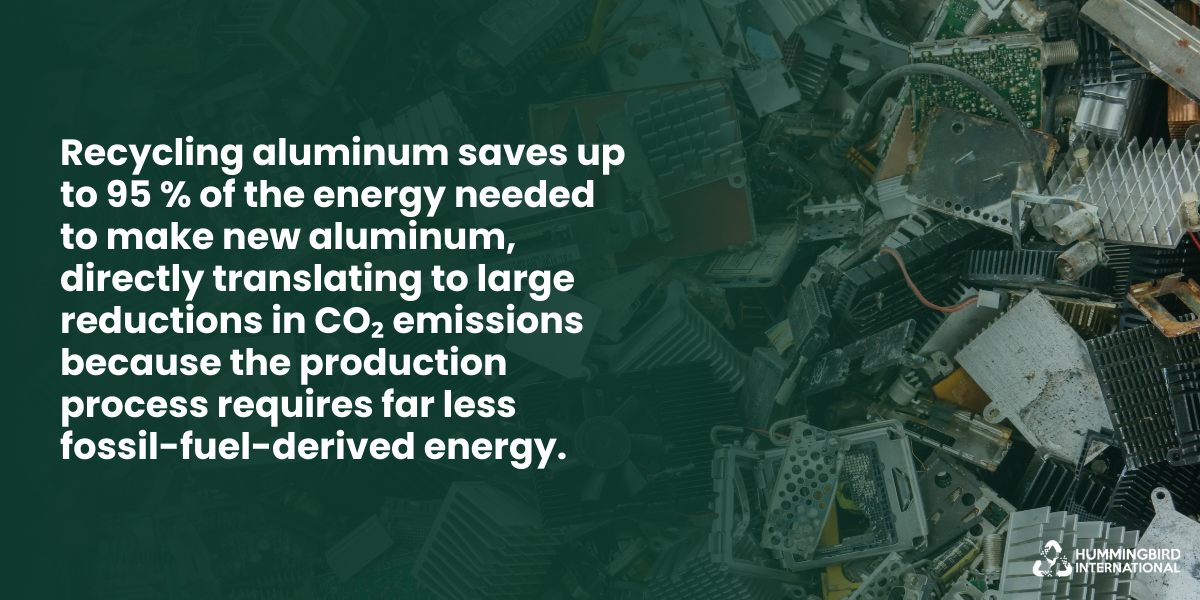
Recycling is more than a waste solution; it’s a climate necessity.
Approximate carbon savings:
- Aluminum: 95% energy savings vs virgin production
- Steel: 60–74% reduction
- Copper: 65% reduction
- Electronics: up to 80% reduction in carbon footprint when metals are recovered and reused
COP21 explicitly identifies recycling and material recovery as essential pathways to achieving global climate targets. Without scaling recycling, carbon neutrality is mathematically impossible.
Carbon Savings From Recycling Key Materials
| Material | Energy / Emission Savings vs Virgin Production |
| Aluminum | ~95% |
| Steel | ~60–74% |
| Copper | ~65% |
| Paper | ~40% |
| Electronics (metals recovery) | Up to ~80% |
Fact 8 — Holidays Create Massive Spikes in Waste
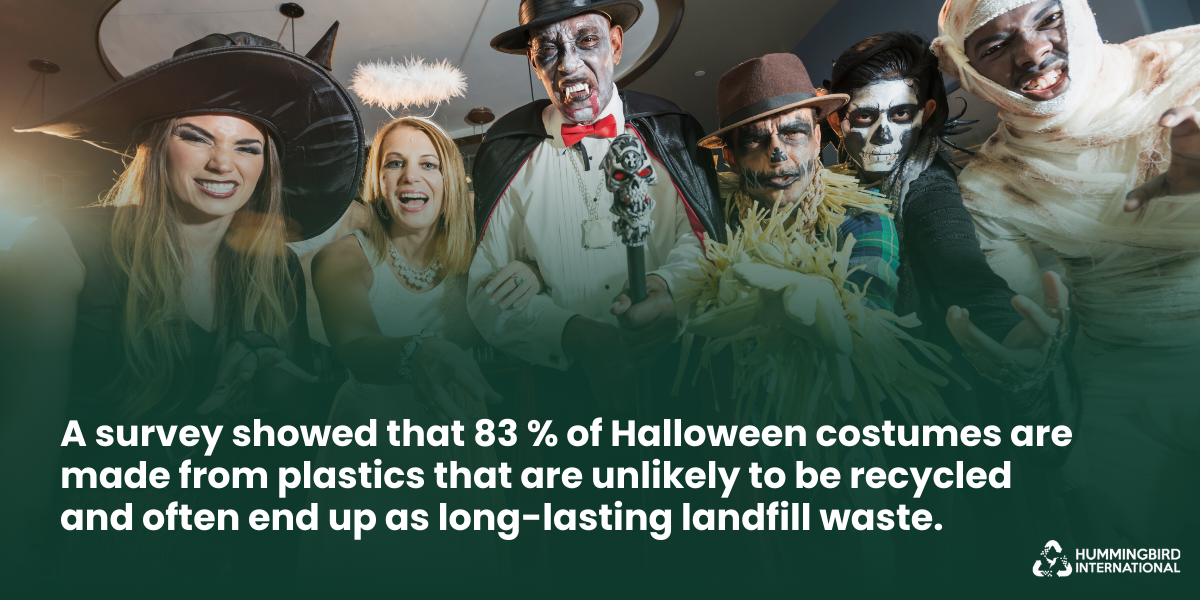
- Halloween alone generates over 2,000 tons of plastic waste from costumes.
- Holiday seasons (October–January) create a 25–40% spike in municipal waste.
- Most holiday plastics, decorations, wrappers, and electronics are not recyclable.
This seasonal surge overwhelms recycling systems and increases landfill load dramatically. Better disposal programs and community recycling campaigns can offset seasonal waste spikes.
Fact 9 — Recycling One Ton of Paper Saves 17 Trees & 7,000 Gallons of Water
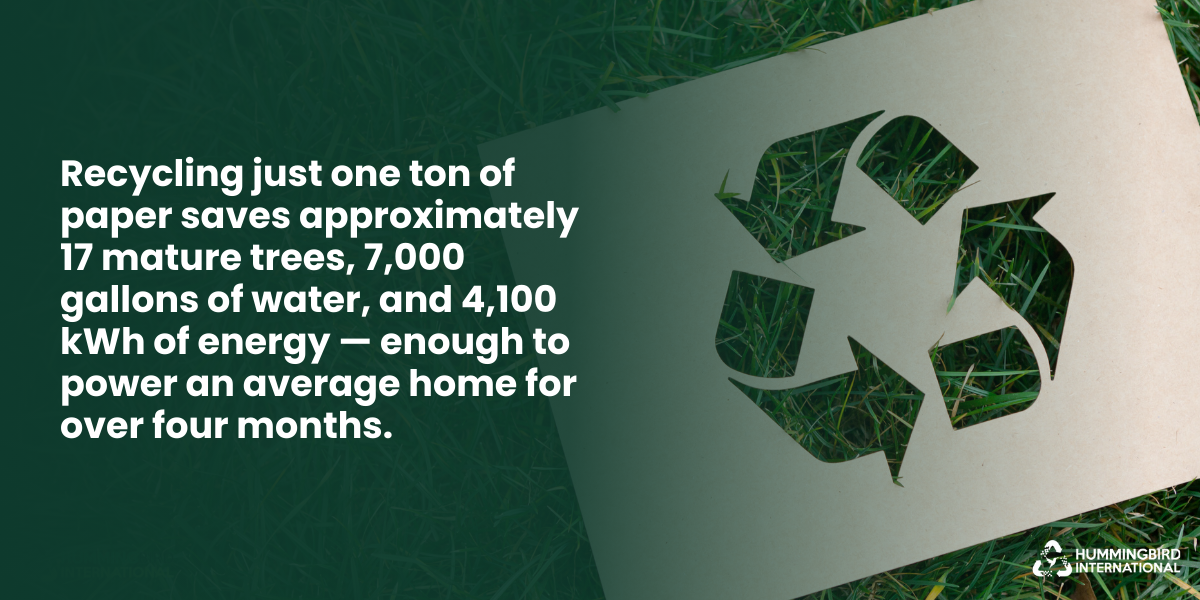
Updated sustainability figures show:
- 17 mature trees saved
- 7,000+ gallons of water saved
- 4,100 kWh of energy conserved
- 3 cubic yards of landfill space spared
Paper remains one of the most successfully recycled materials, but recycling rates have plateaued due to contamination and digital-to-physical product trends.
Fact 10 — Up to 80% of ‘Recycled’ E-Waste Is Actually Exported
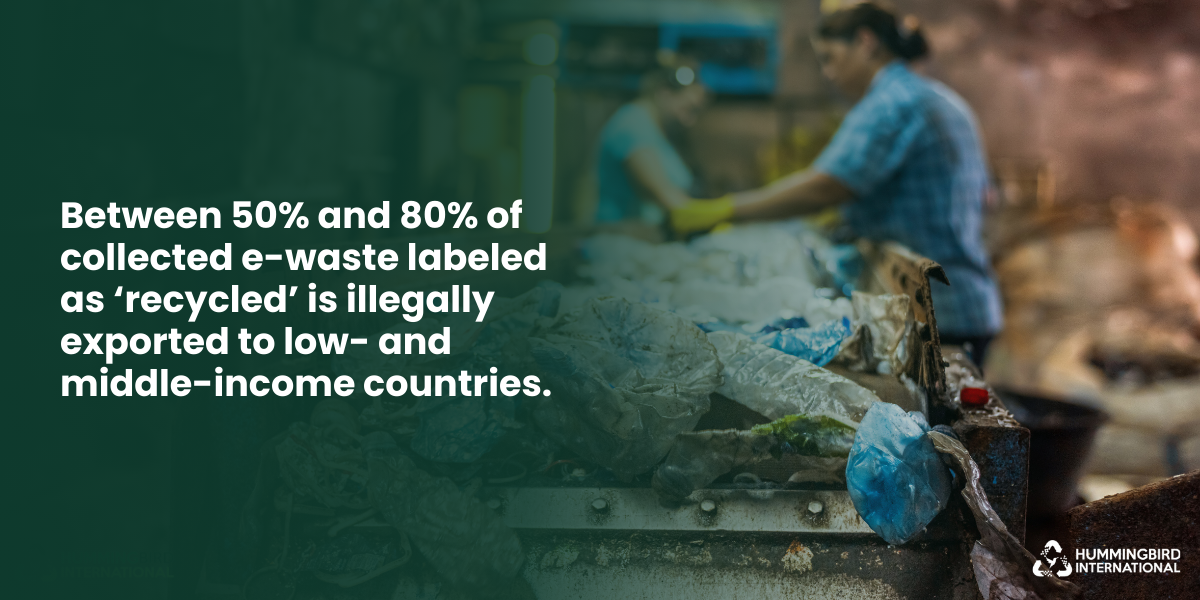
Between 50% and 80% of collected e-waste labeled as ‘recycled’ is exported illegally to regions with informal recycling hubs. This is known as waste colonialism, where wealthy countries offload toxic waste on low-income nations.
Problems:
- Waste is mislabeled as ‘used electronics
- Weak enforcement at ports
- Profitable informal markets attract exporters
- Receiving countries lacka safe recycling infrastructure
This loophole fuels global health and environmental harm.
Fact 11 — The Future of Recycling Is High-Tech
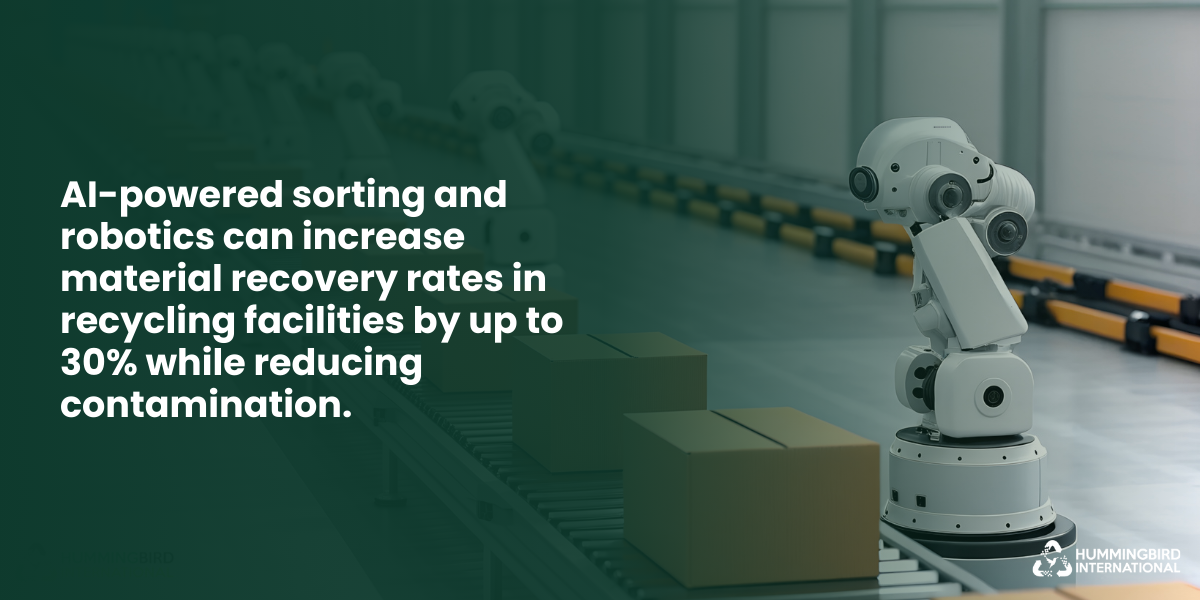
Emerging innovations include:
- AI and robotics for automated waste sorting
- Hydrometallurgy for recovering gold, copper, and rare metals at low temperatures
- Chemical recycling for plastics
- Smart bins with contamination detection
- Digital product passports for tracking materials through the supply chain
These technologies will redefine recycling efficiency over the next decade.
Fact 12 — Battery Recycling Is Becoming a Global Emergency
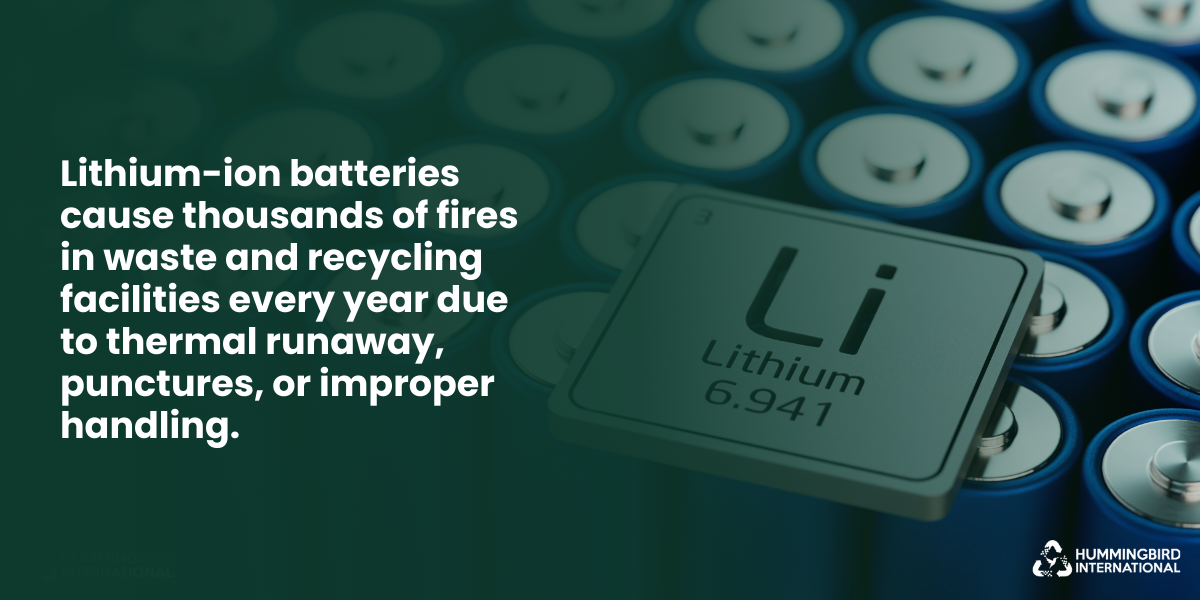
Lithium-ion batteries cause thousands of fires in waste facilities annually.
Challenges:
- Rapidly increasing battery waste (phones, scooters, EVs)
- Low global lithium recycling (less than 5%)
- High fire risk during transport and disposal
- Supply-chain dependence on mined lithium increases geopolitical pressure
Without modernized battery recycling plants, fire incidents, pollution, and supply shortages will intensify.
Fact 13 — Reduction & Reuse Matter More in Recycling
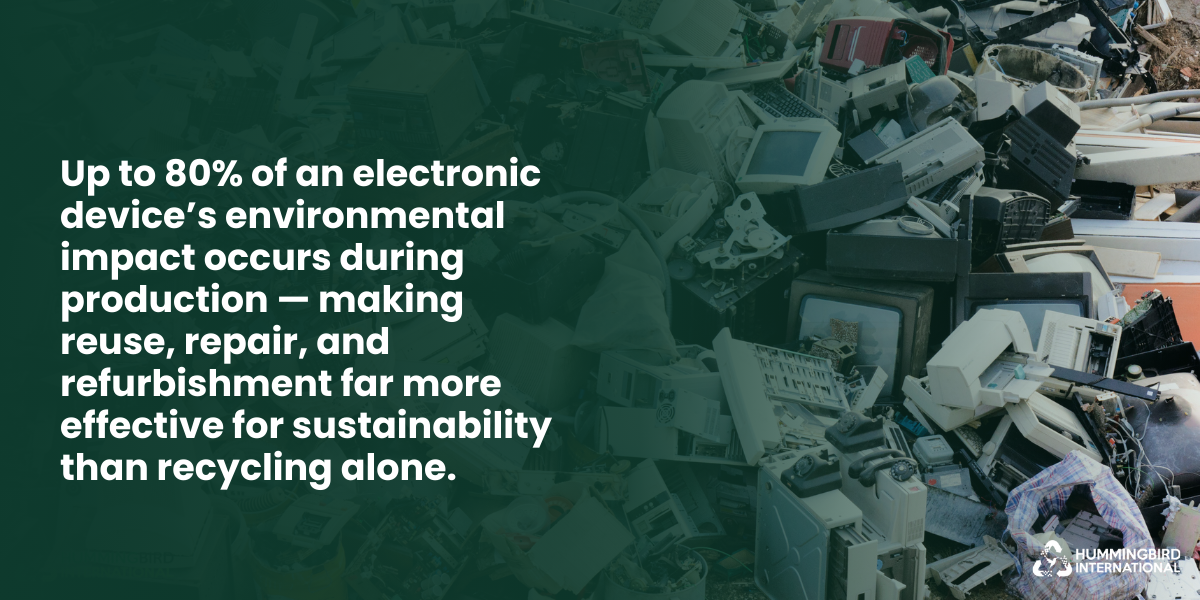
From sustainability and climate-education articles:
A circular economy prioritizes:
- Reducing consumption
- Reusing devices and materials
- Repairing instead of discarding
- Refurbishing electronics
- Designing products for longevity
Recycling is the last step, not the first.
Fact 14 — Community Behavior Still Determines Recycling Success
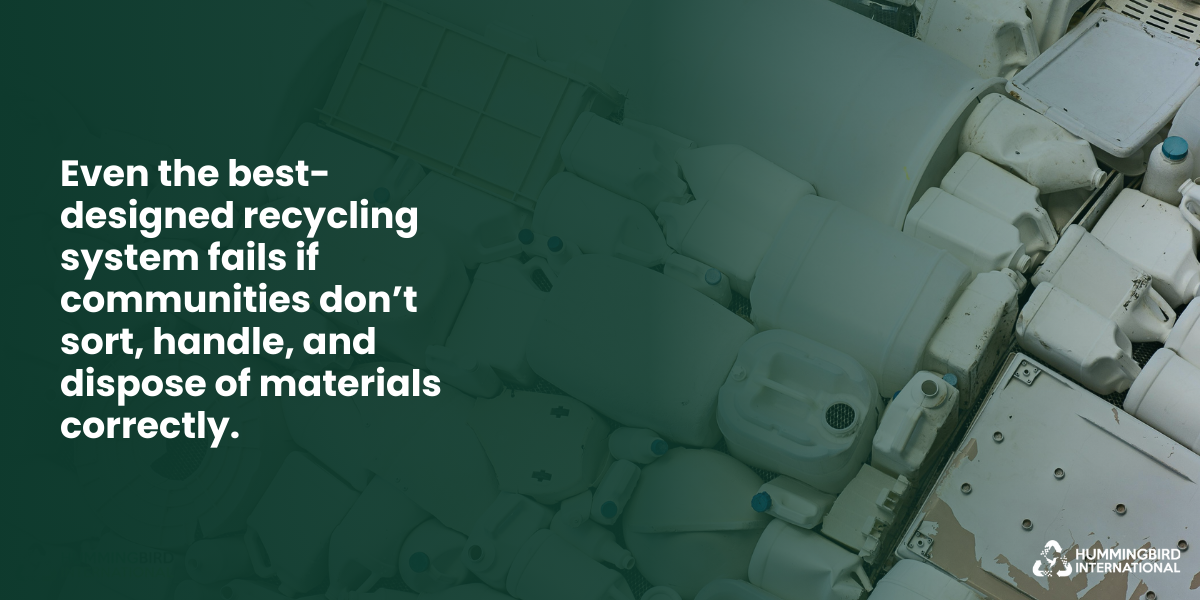
Climate action posters and community campaigns emphasize:
- Sorting accuracy
- Contamination reduction
- Public drop-off participation
- Safe handling of electronics
- Awareness of what is actually recyclable
Even the best recycling system fails if communities don’t participate properly.
Fact 15 — The Economics of Recycling Are Changing Fast
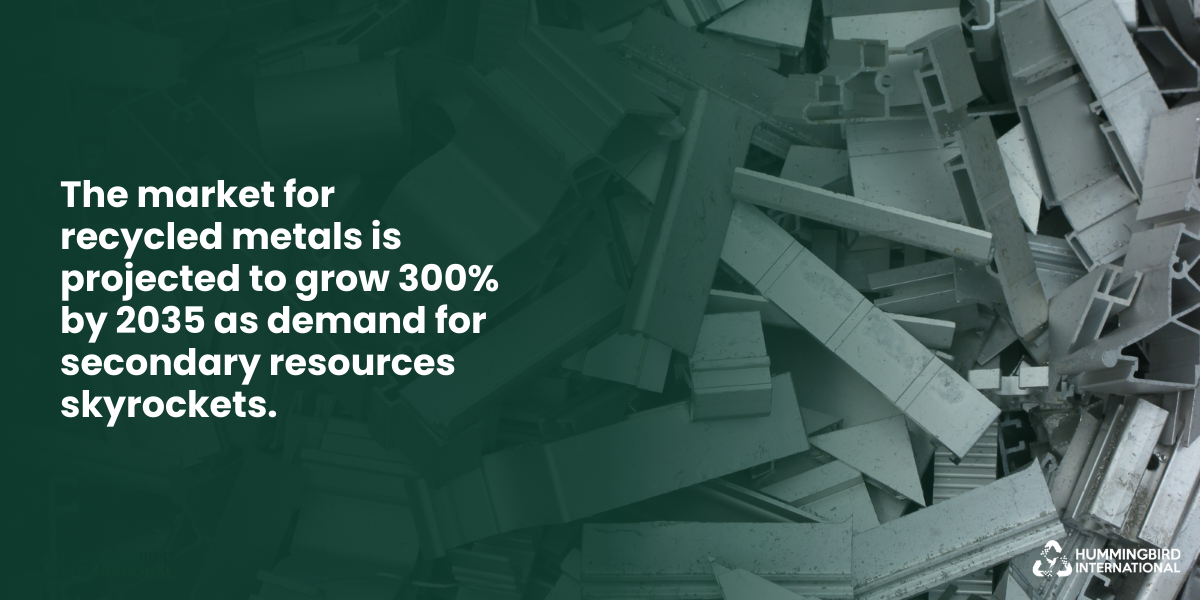
Driven by EPR laws, scarcity of critical minerals, and climate targets:
- The market for recycled metals is projected to grow 300% by 2035
- Governments are adopting EPR fees and right-to-repair laws
- Manufacturers are increasingly required to publish repairability scores
- Demand for recycled lithium, cobalt, and copper is skyrocketing due to EV growth.
Recycling is now shifting to being an economic necessity.
The Bottom Line: Partner with an ITAD service
The facts are clear that only a fraction of waste is safely recycled, electronics contain valuable and toxic materials, and improper handling causes harm to people and the planet. At the same time, recycling, when done with certified methods like reuse and refurbish, can create jobs, cut emissions and support climate commitments. This is where it’s important to consider a reliable ITAD partner that can oversee proper disposal of e-waste and reduce liability too.
FAQs
What is recycling and why is it important today?
It is the process of collecting, processing, and converting waste materials into new, usable resources. The importance of recycling has grown significantly as global waste, especially electronics, has outpaced the capacity of landfills and natural ecosystems. Effective recycling conserves raw materials, reduces energy-intensive extraction and manufacturing, lowers greenhouse gas emissions, and minimizes environmental pollution. When it comes to climate change, resource management, and public health risks, recycling is no longer optional. It is one of the key elements of sustainability.
Why is e-waste the fastest-growing waste stream in the world?
This happens mainly because of rapid technological advancement, shorter device lifespans, consumer upgrade culture and limited repairability of modern electronics. Smartphones, laptops, IoT devices, and batteries are replaced every few years. Sometimes without proper end-of-life planning. Globally, e-waste generation now exceeds 60 million metric tons annually, yet less than one-fifth is formally recycled.
Can improper recycling be dangerous to human health?
Yes. Improper methods lead to serious health risks. When devices are burned, dismantled without protection, or dumped into landfills, they release toxic substances such as lead, mercury, cadmium, brominated flame retardants, and dioxins. Exposure to these toxins is linked to respiratory illnesses, neurological damage, developmental disorders in children, and increased cancer risk. Communities near informal recycling sites are highly affected, making safe and certified recycling a critical public health issue, not just an environmental one.
Does recycling help reduce climate change?
It reduces greenhouse gas emissions associated with raw material extraction, processing, and manufacturing. Producing goods from recycled materials generally requires far less energy than using new resources. For example, recycled aluminum uses up to 95% less energy than primary aluminum production. Recycling electronics also means less demand for mining carbon-intensive metals like cobalt, lithium, and copper.
Why are many recyclable materials not actually recycled?
Food residue, mixed materials, and improper sorting can make recyclables unusable. In some regions, recycling facilities lack the technology to process modern waste streams like electronics, composite plastics, or lithium-ion batteries. Market volatility for recycled materials also affects if items can be refurbished or not. As a result, recyclability may not always mean that it’s happening in practice. This does highlight the need for better system design and consumer awareness.


Leave a Reply