Discarded devices often still contain accessible data.
When devices leave controlled environments, the assumption is that risk leaves with them. Exposure actually starts at that point. Data remains on hardware and persists outside the systems built to protect it.
The shift happens when visibility drops. Retired assets move through handling and transport stages with limited tracking. Each step creates distance between oversight and the device itself. That distance introduces uncertainty around where data ends up and who can access it.
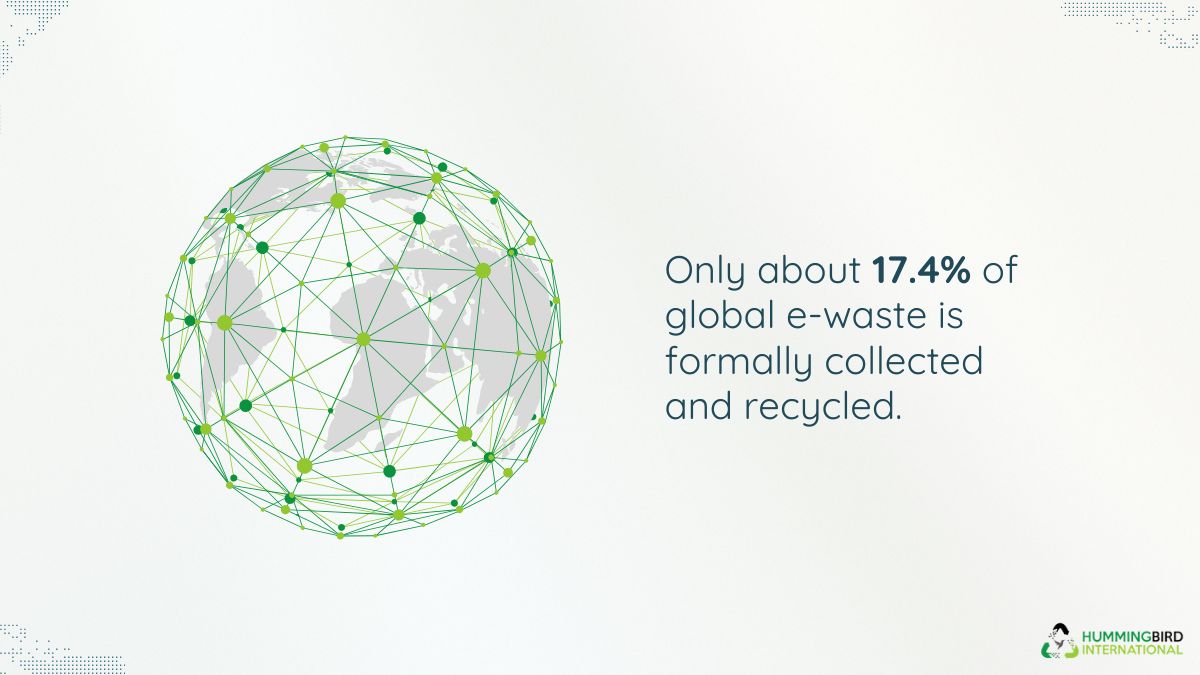
Only about 17.4% of global e-waste is formally collected and recycled, according to the Global E-waste Monitor. A large share of devices enters informal or weakly documented channels.
In this blog, we’ll address where risk forms after disposal, how data persists and remains accessible, which overlooked devices expand exposure, why the problem continues to grow, and where organizations misjudge control.
- The Moment Security Breaks: End-of-Lifecycle ≠ End-of-Risk
- The Post-Disposal Journey: Where Risk Actually Forms
- The Nature of the Risk: Why E-Waste Is Uniquely Dangerous
- Exposure Isn’t Always Obvious: Overlooked Risk Vectors
- Why This Problem Is Scaling: More Devices, Shorter Lifecycles
- Where Organizations Miscalculate Risk
- What Real Control Looks Like
- Conclusion
- Frequently Asked Questions
The Moment Security Breaks: End-of-Lifecycle ≠ End-of-Risk
Security coverage weakens when devices leave active use. Systems and endpoints are continuously monitored, while retired assets are moved outside that structure. Oversight drops at a stage where data still remains on hardware.
Organizations invest heavily in active cybersecurity. Disposal-stage security receives far less attention. This creates a gap at the end of the lifecycle, where protection no longer matches exposure. The gap often stems from improper handling of retired devices, where security controls no longer align with actual data exposure.
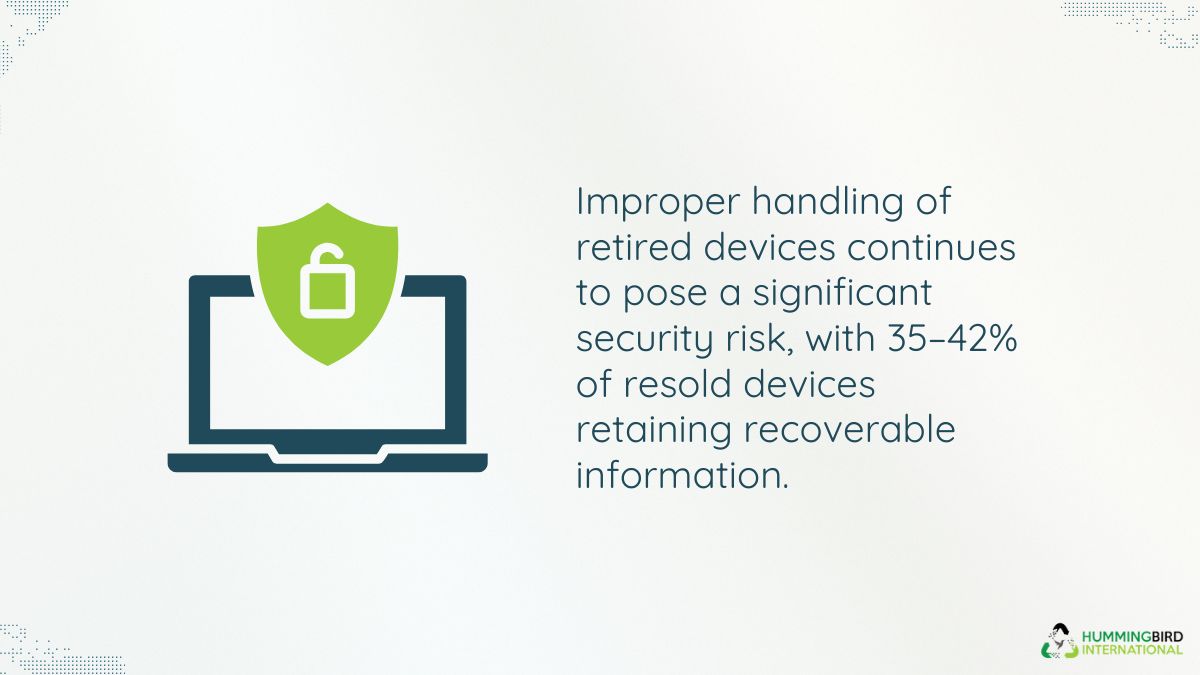
Research on e-waste and data privacy identifies disposal as a recurring weak point in security frameworks. A study from ResearchGate highlights that improper handling of retired devices continues to pose a significant security risk, with 35–42% of resold devices retaining recoverable information.
The risk comes from reduced visibility, not from the absence of security measures.
The Post-Disposal Journey: Where Risk Actually Forms
Risk does not begin at a single point. It develops across the stages a device passes through after disposal. Each stage changes how the device is handled, while the data inside it remains unchanged.
-
Handover Phase: The First False Assumption
Risk begins when a device is marked as retired. At this stage, it is often treated as safe and ready to move out of active use. The device still holds data. Files, credentials, and system traces remain on storage. The label of “retired” reflects status, not the condition of the data.
This creates a false assumption. The device enters the next phase with the same data it held before, but with a different level of attention attached to it.
-
Movement Without Oversight: A High-Risk Window
After handover, devices enter a movement phase that includes transport and interim handling. During this period, they pass through multiple touchpoints before reaching a final destination.
Industry research on IT asset disposition indicates that a notable share of assets goes unaccounted for during lifecycle transitions. This stage introduces gaps in tracking and increases the chance of devices moving outside intended pathways.
-
Redistribution Reality: Most E-Waste Doesn’t Stay Controlled
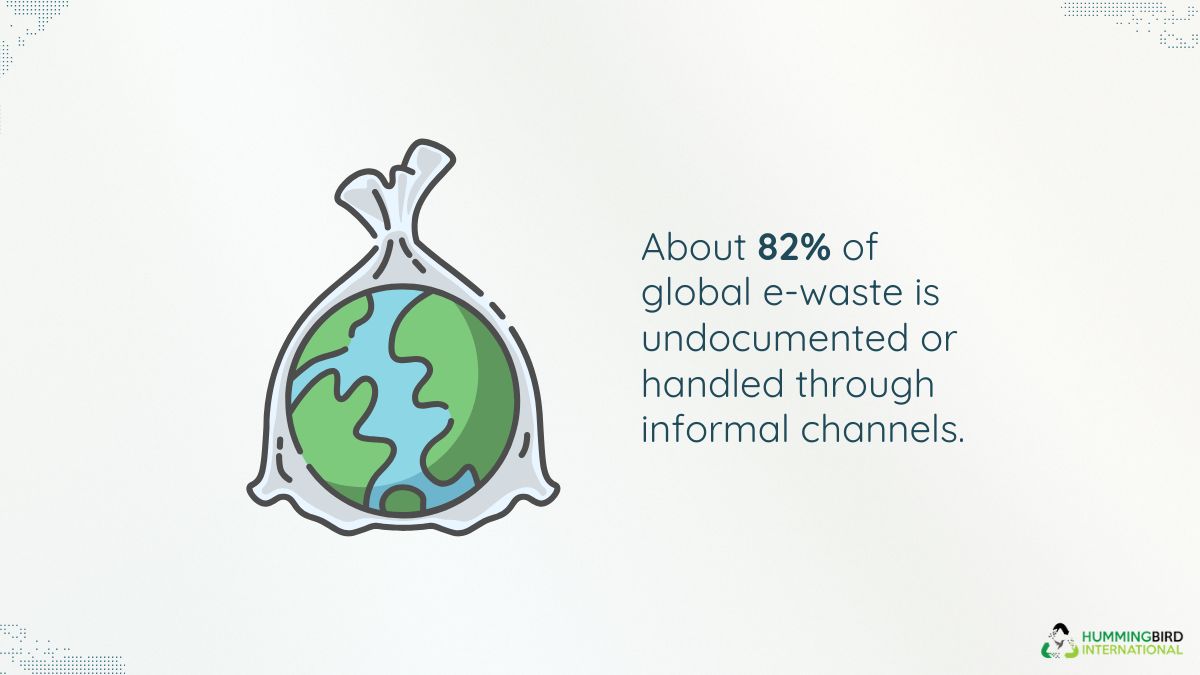
A large portion of e-waste moves beyond formal systems. Much of this movement reflects informal e-waste handling that lacks consistent tracking or data safeguards. According to the Global E-waste Monitor, about 82% of global e-waste is undocumented or handled through informal channels.
Devices that enter these streams often reappear in resale or reuse markets. In many cases, they retain the data stored on them at the time of disposal, which remains accessible in new environments.
The Nature of the Risk: Why E-Waste Is Uniquely Dangerous
The risk comes from how data behaves on discarded devices. It remains present, accessible, and concentrated in ways that increase exposure once the device is no longer in active use.
-
Data Persistence: Deleted Doesn’t Mean Gone
Data continues to exist on storage even after standard deletion processes. In many cases, data still remains on old devices even after they are considered cleared.
- Standard deletion removes file references, not the actual data
- Data remains on storage until it is securely overwritten or destroyed
- Devices can appear empty while still holding recoverable information
- Studies on second-hand devices have recovered personal and business data from used drives in resale markets.
- Disposal changes ownership of the device, not the condition of stored data
-
Low Barrier to Access: Data Recovery Isn’t Specialized Anymore
Access to stored data no longer depends on specialized tools or expertise.
- Data recovery tools are widely available to general users
- Many tools include guided interfaces that simplify the process
- Recovery does not require advanced technical expertise
- Common storage media can be scanned and restored with minimal effort
- Access to stored data extends beyond controlled or specialized environments
These risks are often reinforced by common misconceptions around data removal and what deletion actually achieves.
-
Data Density: One Device, Multiple Risk Layers
A single device now holds multiple layers of information that expand exposure.
- Modern devices store multiple types of data in one place
- This includes credentials, files, cached data, and access tokens
- Different data types create layered access to systems and accounts
- Increased storage capacity allows more information to accumulate
- Exposure can involve connected data, not just isolated files
Exposure Isn’t Always Obvious: Overlooked Risk Vectors
Risk does not sit only in obvious storage devices. It also exists in systems that store data as part of regular operation.
-
Printers, Routers, and IoT Devices Store More Than Expected
Many non-traditional devices store data during routine use. Printers keep copies of scanned or printed documents. Routers store network logs and configuration details. IoT devices record usage patterns and system data.
Studies on e-waste and data privacy identify these devices as frequent sources of residual data exposure. These systems often move through disposal without the same attention given to computers or servers. The data remains embedded within them and can be accessed once the device enters a new environment.
-
Fragmented Data Can Still Be Reconstructed
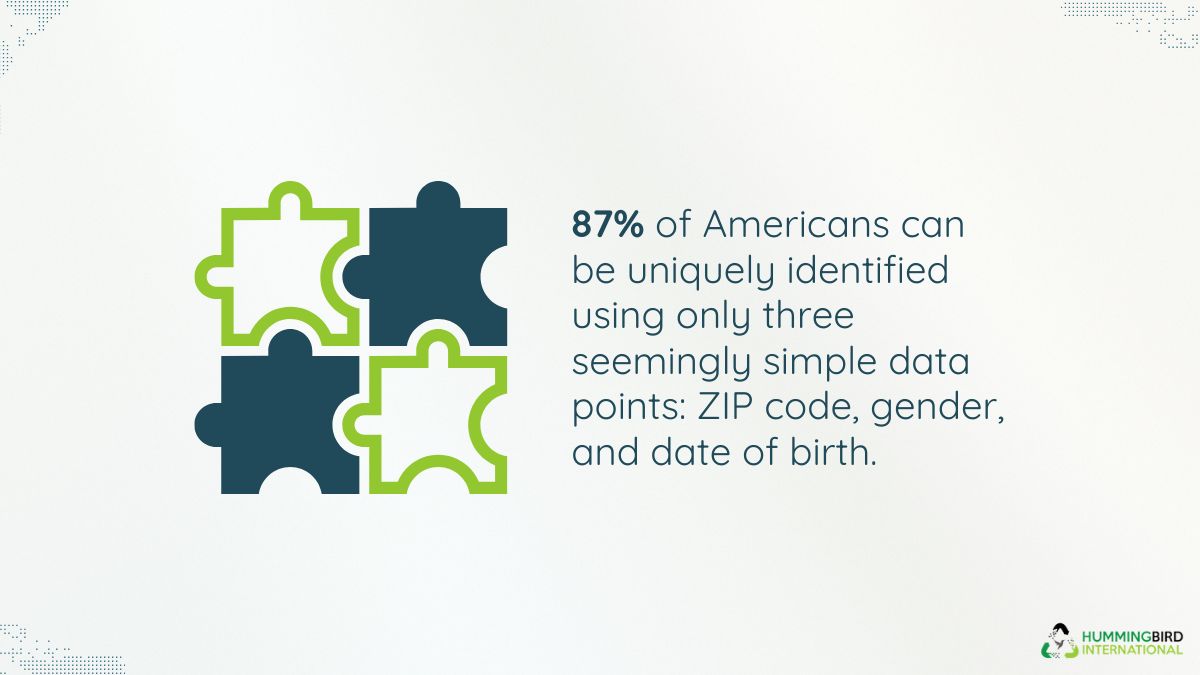
Data spread across multiple devices can still form a complete dataset when combined. One device may hold contact details, while another stores communication records or partial documents. Bringing these fragments together provides context and usable information. The risk lies in how separate pieces connect and build a broader dataset.
-
Stored Credentials and Network Access Points
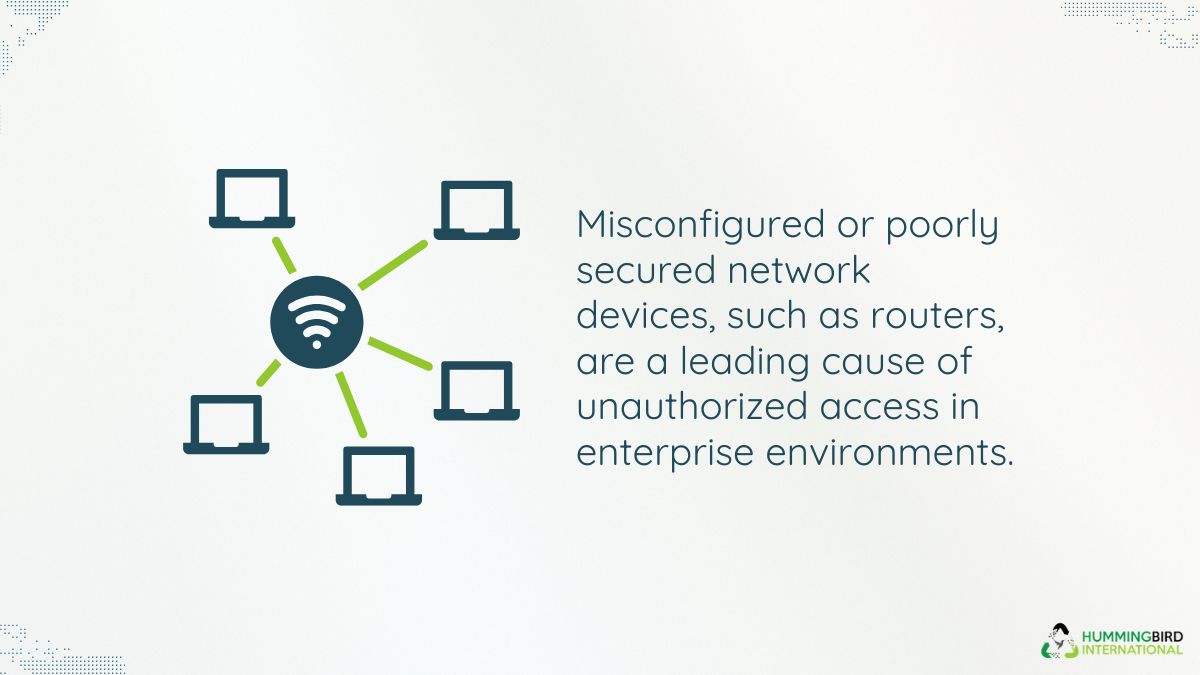
Devices often retain credentials that provide access beyond the data stored on them. This includes saved login details and system configurations. Routers and network devices may store access settings that connect to internal systems.
Such elements allow entry into accounts or networks linked to the device. A device can act as a point of entry, enabling interaction with systems that remain in use.
Why This Problem Is Scaling: More Devices, Shorter Lifecycles
The scale of e-waste continues to increase, which expands the volume of devices moving through disposal channels and carrying data with them. The growth reflects broader trends shaping e-waste growth across industries and device categories.
-
Global E-Waste Is Growing Rapidly
The latest global data shows e-waste reached about 62 million metric tons, with volumes set to rise further, according to the Global E-waste Monitor. As more devices reach end-of-life, the number of data-bearing assets entering disposal streams continues to grow, increasing overall exposure.
-
Device Turnover Is Faster Than Ever
Device refresh cycles continue to shorten across organizations. Hardware is replaced more frequently to meet performance, compatibility, and operational needs. This increases the number of devices entering disposal within a given timeframe. Each cycle adds to the volume of retired assets that carry stored data. The pace of replacement contributes directly to the scale of the problem.
-
Remote Work and IoT Expansion Multiply Exposure Points
The number of connected devices continues to grow across work and home environments. Industry estimates place the number of IoT devices in active use worldwide at billions. Remote work setups also introduce more distributed hardware into daily operations.
Each device stores some level of data or access information. As a result, the number of endpoints that eventually enter disposal streams increases the range of potential exposure.
-
The Delayed Impact Problem: Breaches That Surface Later
The impact of data exposure from discarded devices often appears long after the device leaves control. The average time to identify a breach is about 277 days, according to IBM.
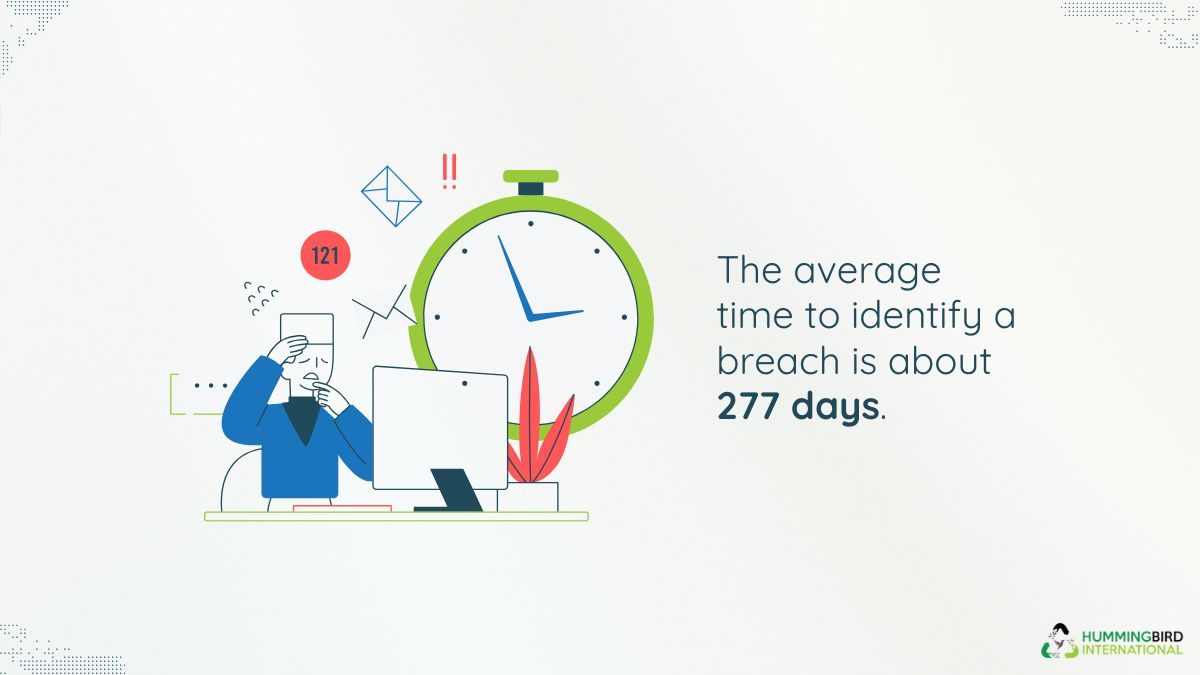
The delay creates a gap between the point of exposure and the moment of discovery.
When data from retired devices is accessed later, the source becomes harder to trace. The time gap complicates attribution and slows response efforts. This allows exposure to persist without a clear linkage to the original point of disposal.
Where Organizations Miscalculate Risk
Gaps often appear in how risk is evaluated at the end of the device lifecycle. So assumptions guide decisions more than verified outcomes.
-
Overestimating Internal Controls
Organizations rely on internal processes to manage retired devices. These controls define intent, while validation receives less attention. Security is assumed rather than confirmed through documented outcomes.
-
Underestimating External Exposure
Risk increases once devices move outside controlled environments. Handling, transport, and redistribution introduce new access points. So data travels with the device into settings where control does not match internal conditions.
-
Confusing Compliance With Security
Compliance frameworks define minimum requirements for data handling. Meeting these standards supports governance, while exposure can still occur. But security depends on actual data outcomes rather than on policy alignment alone.
What Real Control Looks Like
Control depends on visibility, validation, and responsibility across the device lifecycle. These elements define how data remains protected as devices move through disposal stages.
-
Continuous visibility across the lifecycle
Devices remain tracked from active use through final disposition. Status, location, and movement are documented at each stage.
-
Verified handling through documentation and tracking
Each transfer and action is recorded. Documentation confirms how devices are handled and where they move.
-
Accountability beyond internal teams
Responsibility extends to all parties involved in the process. External handling follows defined standards with clear ownership at every stage.
Conclusion
The vulnerability does not sit within active systems. It begins when devices leave controlled environments and move into stages where oversight no longer follows. At that point, the data they carry continues to exist, independent of how the device is classified.
As these devices pass through different hands, exposure builds over time and often surfaces much later. The delay creates a gap between cause and discovery, making it more difficult to trace the source.
The lifecycle shapes how risk develops. Control depends on what happens after use, not only during it. This level of control often requires working with a certified ITAD partner that can maintain accountability across the entire lifecycle. Data does not disappear when devices do. It changes hands and continues to exist in the next environment.
Frequently Asked Questions
Why does e-waste pose a cybersecurity risk?
E-waste poses cybersecurity risks because discarded devices often retain recoverable sensitive data. Even after deletion or formatting, data remains on storage and can be accessed using widely available recovery tools. This allows unauthorized individuals to retrieve information from retired devices.
Can data really be recovered from discarded devices?
Yes, data can often be recovered from discarded devices even after deletion or a factory reset. Studies show many second-hand drives, phones, and memory cards still contain recoverable data, since deletion removes file references rather than the underlying stored information itself.
Why are disposal-related data breaches hard to detect?
Disposal-related data breaches are difficult to detect because they involve physical devices rather than network activity. They leave limited digital traces, and exposure often surfaces much later when retrieved data is already accessed or used outside the organization, long after devices leave custody.
Does compliance ensure data security during disposal?
Yes. Adhering to standards like GDPR, HIPAA, or NIST SP 800-88 provides a framework for secure data disposal. These require that data be rendered unrecoverable through certified wiping, degaussing, or physical destruction, thereby reducing exposure risks and supporting compliance with legal and regulatory requirements.
What is the biggest misconception about e-waste and data security?
A common misconception is that deleting files, formatting drives, or performing a factory reset permanently removes data. In reality, these actions only remove access to the data, not the data itself, which can remain on storage and be recovered through available tools.