- 2025 in Numbers: The Year E-Waste Reached a Breaking Point
- Understanding the E-Waste Trends
- Regional Differences and Per Capita Impact
- Countries That Struggled the Most in 2025
- What Changed for Electronics Brands in 2025
- What 2026 and Beyond Will Look Like
- What People and Businesses Can Do Right Now
- Final Words
- FAQs
2025 in Numbers: The Year E-Waste Reached a Breaking Point
Electronic waste, or e-waste, refers to discarded electrical and electronic equipment (EEE). That includes everyday products such as mobile phones, laptops, TVs, refrigerators, and even small gadgets with batteries or plugs. E-waste combines hazardous components (like lead, mercury, and cadmium) with recoverable rare materials such as copper, gold, and metals. If not managed properly, hazardous elements can pollute soil, water, and air and harm human health. Children and pregnant women are particularly at risk when informal recycling exposes communities to toxic substances.
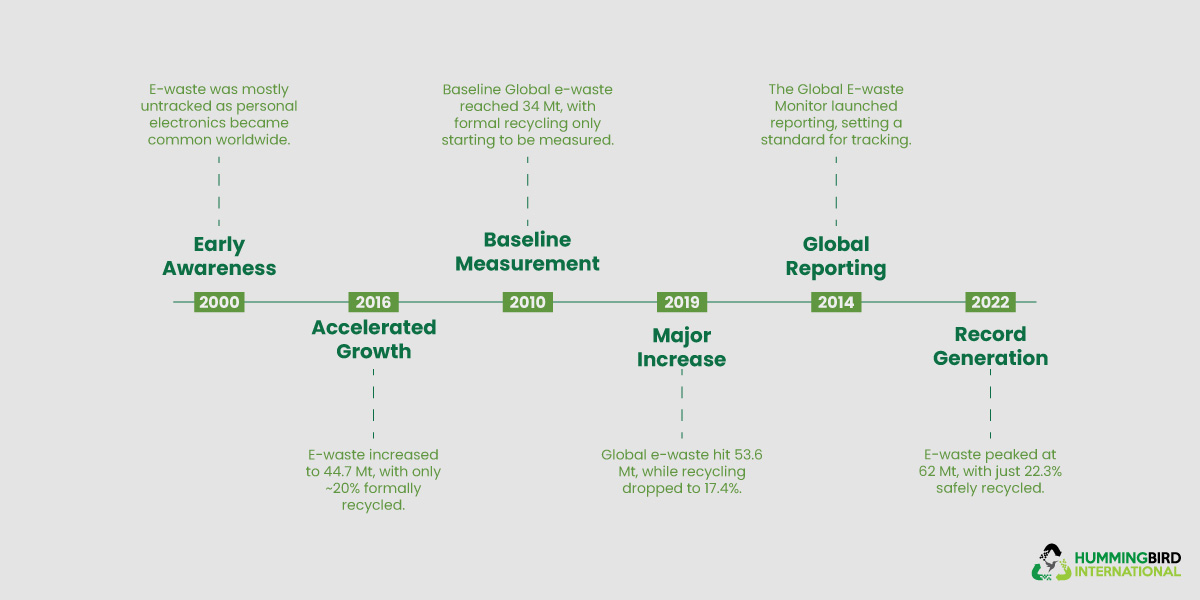
Understanding e-waste growth requires looking back at how usage, policy, and recycling have evolved over time.
E-Waste Growth Over the Years
Electronic waste did not explode overnight. It has grown steadily with global technology adoption, shorter product lifespans, and rising consumption.

- Early Tracking (2000s)
In the early 2000s, e-waste was not globally tracked in a systematic way. Governments and researchers began paying attention as personal electronics became widespread.
- 2010 Baseline
In 2010, the world generated 34 million tonnes of e-waste. At that time, formal recycling was just beginning to be measured in many countries.
- 2014 First Comprehensive Global Report
The Global E-waste Monitor began regular global reporting in 2014. This became the reference point for tracking annual trends and recycling progress.
- 2016 Growth Continues
By 2016, e-waste had risen to 44.7 million tonnes. Only about 20 per cent of that was recycled in formal systems. The rest was uncollected, burned, or handled informally, often releasing toxins into the environment.
- 2019 Jump to 53.6 Mt
In 2019, global electronic waste grew to 53.6 million tonnes, a jump of nearly 9 Mt in just five years. Only about 17.4 per cent of that was documented as formally collected and recycled. This report projected continued growth toward roughly 74.7 Mt by 2030 if nothing changed.
- 2022 Record 62 Mt
The most recent published data point shows that in 2022, the world generated 62 million tonnes of e-waste — an 82 per cent increase since 2010. Less than a quarter, 22.3 per cent, was collected and recycled through formal systems. This means most e-waste was either dumped, stored, traded, or processed in unsafe ways.
Key Numbers That Explain the 2025 Situation
To make sense of the 2025 context, these figures are essential.
| Measure | 2010 | 2016 | 2019 | 2022 | 2030 (Projected) |
| E-waste generated | 34 Mt | 44.7 Mt | 53.6 Mt | 62 Mt | 82 Mt (est.) |
| Formal recycling rate | 10-15% | 20% | 17.4% | 22.3% | 20% (trend) |
These electronic waste insights 2025 show that:
- The amount of e-waste has nearly doubled since 2010.
- Formal recycling improved a bit but remains low compared with total waste.
- Future projections show waste rising faster than recycling capacity can keep up.
Understanding the E-Waste Trends
Let’s have a look at the trends in e-waste recycling over the years.
1. Consumption and Obsolescence
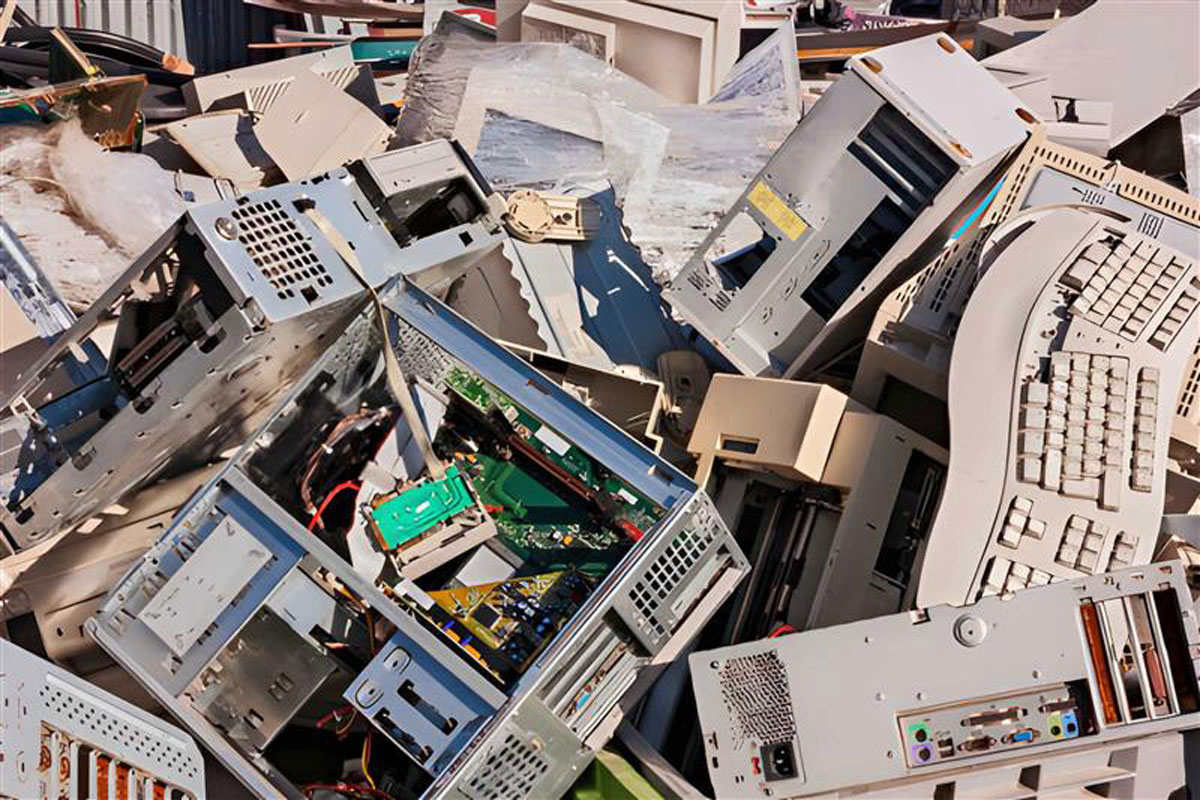
The single biggest driver of e-waste growth is how quickly people replace their devices. Phones, laptops, tablets, and even household appliances are now treated as short-term products rather than long-term tools. Software updates stop supporting old hardware, batteries degrade and are often sealed in, and new models are marketed as must-have upgrades even when the old device still works.

Image Source: iStock/97
Planned obsolescence creates a steady flow of electronics leaving homes and businesses each year. As global incomes rise and digital services expand, more people own multiple devices at once, multiplying the volume of discarded electronics. The result is a waste stream that grows even when the population stays reliably stable.
2. Limited Repair and Reuse
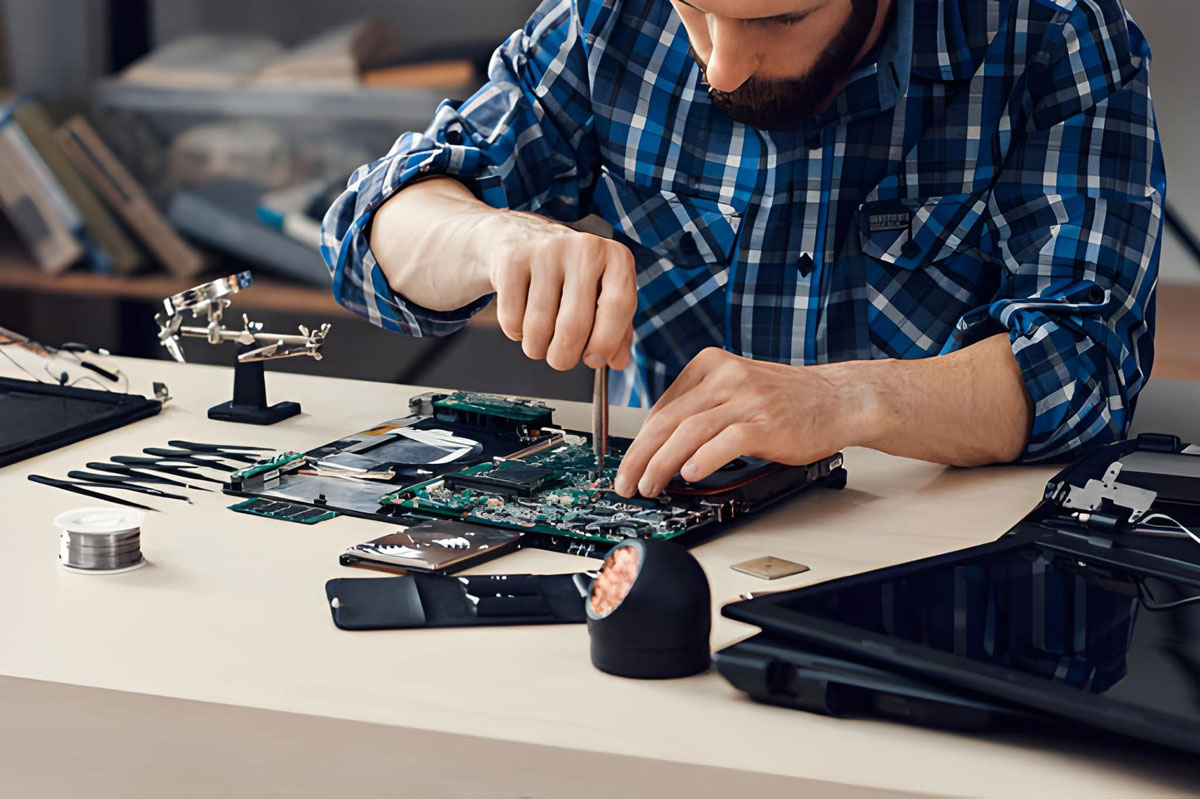
Modern electronics are rarely designed for a second life. Components are glued instead of screwed, parts are locked behind proprietary software, and replacement pieces are priced high enough to make repairs uneconomical. This pushes consumers toward buying new devices instead of extending the life of what they already own.

Image Source: iStock/golubovy
Over time, this design approach has quietly reshaped how people think about ownership. A phone or laptop is no longer something you keep for many years. It becomes something you cycle through. Even small faults can lead to full replacement. When millions of people do this every year, repair shops shrink, reuse markets weaken, and the volume of discarded electronics keeps rising.
3. Recycling Infrastructure Limits
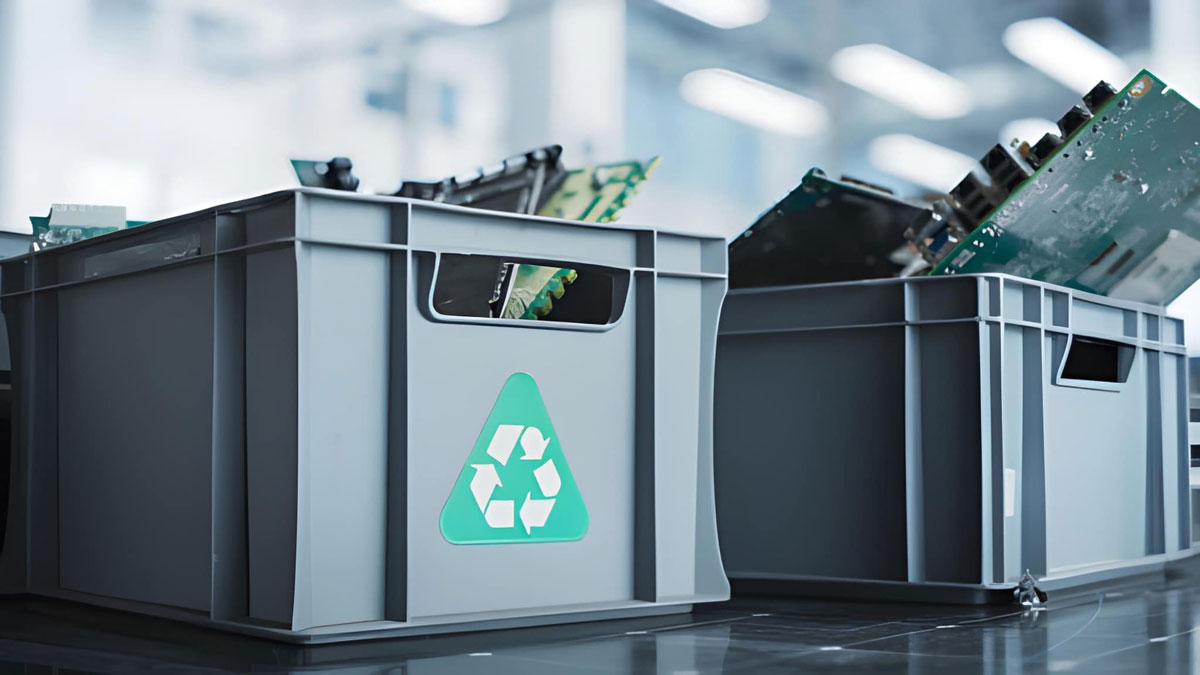
Even when people want to recycle their electronics, the systems in place often cannot handle the volume. Formal recycling facilities are expensive to build, require skilled workers, and must follow strict environmental rules. Many countries simply do not have enough of them. In some regions, collection networks are weak, so devices never even reach a proper recycler.

Image Source: iStock/gorodenkoff
Instead, they are sorted in homes, dumped, or sold into informal recycling markets. These informal operations extract metals using unsafe methods like open burning or acid baths. That may recover some value, but it releases toxins into the air and water and leaves behind waste that cannot be safely treated.
4. Toxic Risk vs Resource Value
E-waste sits at the uncomfortable intersection of danger and opportunity. Inside a single smartphone are trace amounts of gold, copper, silver, cobalt, and rare earth metals. Across millions of devices, this adds up to enormous economic value. At the same time, those same products contain substances that are harmful if released into the environment.

Image Source: iStock/ermess
When recycling is done properly, valuable materials are recovered, and toxic ones are contained. When it is not, communities are exposed to pollution while the recoverable resources are lost forever. This imbalance explains why e-waste is not just a waste problem. It is also a missed supply chain and environmental protection problem.
Regional Differences and Per Capita Impact
Not all regions generate or manage e-waste the same way.
In 2022:

- Europe had the highest recycling rate at about 42.8 per cent, and was one of the highest generators per person.

- Africa documented less than 1 per cent as formally recycled, despite growth in informal processing.

- Asia produced nearly half of all global e-waste but still struggles with formal recycling infrastructure.
These gaps point to big differences in technology use, regulation, enforcement, and public awareness that help explain why e-waste continues to grow unevenly across the world.
Countries That Struggled the Most in 2025
These are the places where the pressure of rising e-waste was felt most sharply in 2025. The problems vary by region, but a common theme is that policy, infrastructure, and informal practices did not keep up with waste growth.
1. India

India is one of the largest producers of e-waste in the world, typically ranking third, behind China and the United States in total volume. Most of this waste comes from consumer electronics, computers, and telecom gear as digital adoption spreads. While the country generated over 1.6 million tonnes of e-waste in a recent year, formal recycling systems are still underdeveloped.
More than 95% of e-waste ends up in the informal sector, handled by scrap dealers who break down devices with basic tools without safety gear. This method exposes workers and nearby communities to toxic metals and pollutants, and it sends much of the hazardous material into landfills or the environment.
The formal sector, with registered recyclers and authorized facilities, processes only a small fraction of total waste because there is limited collection infrastructure and insufficient integration of informal workers into regulated systems. At the same time, India faces a shortage of inputs for authorized facilities because most waste never enters formal channels. The government has tried to tighten regulations and boost formal recycling, but progress has been slow, given the scale of the problem.
2. Ghana

Ghana’s e-waste challenge centers on Agbogbloshie, one of the most notorious informal recycling sites in the world. Located near Accra, this sprawling scrapyard has become a hub for discarded electronics from both local sources and imports. Used devices are often shipped from high-income countries labeled as “second-hand goods,” but many are already at the end of their life.
Workers at Agbogbloshie manually dismantle old electronics and burn cables and plastics to extract metals without protective equipment. This practice releases toxic fumes and heavy metals into the soil, water, and air, creating severe health risks and contributing to one of the most polluted urban environments on the continent. The e-waste sector also supports many livelihoods, employing thousands directly and indirectly, but without regulation or safeguards.
Government enforcement is limited by resource constraints, and formal recycling infrastructure is essentially nonexistent, which leaves informal methods as the default route for nearly all discarded electronics.
3. United States

The United States generates a very high volume of electronic waste per person compared with most countries, driven by a culture of frequent device upgrades and high consumer demand. The US does not have a single national mandate for e-waste recycling; instead, rules vary by state, creating a patchwork of standards.
Many states require manufacturers to offer take-back or recycling programs, but enforcement and collection rates vary widely. A significant share of e-waste collected in the US is exported overseas, often to developing countries where it enters informal recycling streams without adequate oversight or safeguards. Global estimates suggest that 50-70% of US e-waste collected for recycling is shipped abroad.
In these destinations, workers often dismantle or burn electronics to recover metals, exposing themselves to hazardous materials without proper protection. This export dynamic shifts the environmental burden to other regions and perpetuates unsafe handling practices that undermine global recycling goals.
4. Southeast Asia (Malaysia, Thailand, Others)

After China banned the import of foreign waste in 2018, trade flows shifted toward Southeast Asian countries that lacked the capacity and regulation to manage the influx. Malaysia and Thailand have seen rising volumes of imported e-waste, much of it declared as “mixed scrap” or disguised under misleading trade codes, which makes customs enforcement difficult.
Environmental watchdogs documented thousands of containers of US electronic waste shipped to the region in recent years, with significant volumes ending up in informal recycling yards. These countries struggle because their formal recycling infrastructure is limited, enforcement of import rules is still developing, and illegal shipments continue to arrive.
Thailand has responded by tightening bans and seizing large shipments at ports to curb the flow, but the challenge remains significant. As a result, local communities and workers are exposed to unsafe recycling operations similar to those in West Africa and South Asia, where hazardous dust and chemical exposure are common.
What Changed for Electronics Brands in 2025
By 2025, electronics brands could no longer rely on polished sustainability pages and quiet recycling schemes. Regulators, consumers, and even investors began to ask harder questions about what really happens after a device is sold and then discarded. That pressure forced many companies to be more honest about how their products are built and how little of them actually comes back.
What companies were forced to admit:
-
Their devices are not designed for long life
Most phones, laptops, and smart devices are still made to be thin, sealed, and hard to repair. Batteries are glued in, parts are proprietary, and software support ends long before the hardware fails. In 2025, brands began to acknowledge that this design approach drives early replacement and growing waste.
-
Recycling programs recover only a fraction of what they sell
Take-back schemes look good on paper, but they capture only a small share of products that enter the market each year. Many devices are never returned at all. Others are shipped overseas or broken down in informal systems. Companies started to admit that recycling volumes do not come close to matching sales.
-
Right-to-repair pressure is rising globally
Laws in Europe and parts of North America made it harder for brands to lock down repairs. Companies faced growing demands to provide spare parts, manuals, and software access. This signaled a slow shift away from fully disposable design, even if the change is still uneven.
| Brand behavior | Before 2025 | After 2025 |
| Repairability | Low | Slowly improving |
| Recycling targets | Mostly marketing | More public reporting |
| Material recovery | Limited | Being pushed by regulation |
Together, these shifts marked a turning point. Brands did not suddenly become sustainable, but they did lose the freedom to pretend the problem did not exist.
What 2026 and Beyond Will Look Like
If 2025 was the year the cracks became visible, the years ahead will be about what happens once everyone sees them. Governments, companies, and everyday buyers are already starting to move in small but meaningful ways.
-
Regulation
More countries are pushing right-to-repair laws that give people and independent shops the legal right to fix their own devices. That means access to parts, tools, and software that were once locked away. At the same time, export rules are getting tighter. Shipping broken electronics overseas under vague labels is becoming harder to get away with. Customs checks, tracking systems, and fines are slowly closing the loopholes that made dumping someone else’s problem so easy.
-
Technology
Recycling itself is changing. New AI systems are being trained to sort electronics faster and more accurately, separating plastics, metals, and batteries with far less waste. Battery recycling is also improving as electric vehicles and energy storage grow. Instead of being buried or burned, lithium and other valuable materials are starting to be pulled back into supply chains where they belong.
-
Consumers
People are also shifting, even if it takes time. More buyers now look for devices that can be repaired, upgraded, or kept longer. There is less patience for products that feel disposable from day one. As awareness grows, so does the pressure on brands to stop treating electronics as short-term goods and start treating them as things meant to last.
What People and Businesses Can Do Right Now
This part matters because e-waste is not only a government or industry problem. It is shaped every day by the choices people and companies make.
For individuals
- Using a phone or laptop for one extra year has a real impact. It slows down how quickly new products need to be made and how fast old ones pile up.
- When it is time to let a device go, choose certified recyclers that follow proper environmental and safety standards. That keeps toxic materials out of landfills and waterways.
- Buying from companies that allow repairs, sell spare parts, and provide long-term software support sends a clear message about what customers value.
For companies
- Devices that can be taken apart easily are cheaper to repair and far easier to recycle. Screws, modular parts, and clear labeling make a big difference.
- Making it simple for customers to return old electronics helps keep products out of the informal waste stream and improves material recovery.
- Honest reporting builds trust and shows whether programs actually work. It also pushes the whole industry toward better standards.
Final Words
Looking back, 2025 did not solve the e-waste problem, but it made it harder to ignore. The numbers grew too large, the environmental costs too visible, and the gaps in the system too wide to hide behind polite promises.
We learned that recycling alone cannot keep up with how fast the world buys and replaces electronics. We saw how much waste is still pushed onto poorer regions, and how much value is lost when devices are treated as disposable.
What happens next depends on whether governments enforce better rules, companies build products meant to last, and people change how they use and discard their tech. The future of e-waste is still being written, one device at a time.
FAQs
1. What exactly counts as e-waste?
E-waste includes all types of electronic waste that are thrown away after use. This covers anything that runs on electricity or batteries, from phones, laptops, and televisions to printers, chargers, routers, and small items like earbuds, keyboards, and power banks. If a device once needed power to work and is no longer wanted or working, it falls under electronic waste, no matter how big or small it is.
2. Why did e-waste become such a big problem by 2025?
E-waste became a serious problem by 2025 as people bought and replaced electronics faster than ever before. Smartphones, AI-powered devices, and connected gadgets became part of daily life, while product lifespans kept shrinking. Recycling systems could not keep pace with this surge, so more discarded electronics ended up stored, dumped, or shipped abroad, making the scale of the problem far more visible.
3. Can old electronics really be recycled safely?
Yes, when they are handled by certified recyclers. These facilities are designed to recover valuable materials and manage hazardous parts without polluting the environment or harming workers.
4. What happens if e-waste is not recycled properly?
It often ends up in landfills or informal recycling sites, where toxic substances can leak into soil and water or be released into the air, creating long-term health and environmental damage.
5. How can I make sure my old devices do not end up in dumping grounds?
Use certified e-waste recyclers, return devices through manufacturer take-back programs, or donate working electronics to trusted refurbishers who can give them a second life.
Leave a Reply