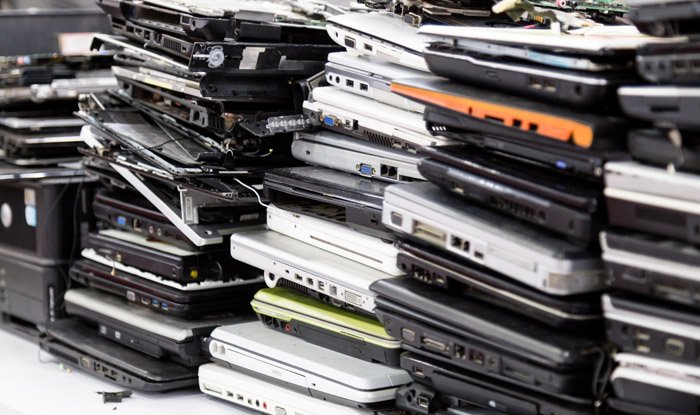
E-waste is fast growing problem and with an increasing use of technology, it is not easy to manage. More electronics end up in landfills, and without certified recycling methods, they pollute the soil and water, while also wasting valuable materials that could be extracted.
Recycling is obvirously the solution but it only works when people know what they have and where it should go.
If you’re a business or organization, classification is what will help you ensure pickup and reporting is made easier. It will help you plan secure handling, avoid compliance gaps, and reduce the chance of a data incident. If you’re building a program, start with rethinking e-waste management.
Most electronics fall into a few predictable groups: ICT equipment (computers and devices that store data), household appliances (large and small), tools, lighting, toys/leisure devices, medical devices, and monitoring/control instruments. The safest choice depends on hazard risk and data risk.
- A Practical Checklist: Before You Recycle
- Common E-Waste Categories at a Glance
- Certified vs Non-Certified Recycling: Why It Matters
- 1. Information and Communication Equipment (ICT)
- 2. Large Household Appliances (Large HA)
- 3. Small Household Appliances (Small HA)
- 4. Electric and Electronic Tools (E&E Tools)
- 5. Lighting Equipment
- 6. Toys, Leisure, and Sports Equipment
- 7. Medical Devices
- 8. Monitoring and Control Instruments (M&C)
- Related Reading (Internal Guides)
- FAQs
A Practical Checklist: Before You Recycle
Yes, even before you decide to recycle your e-waste you have to sort devices into categories and do a quick check. This step improves safety and makes downstream processing smoother.
- Look for data-bearing devices: laptops, desktops, servers, phones, printers, copiers, cameras, access control systems.
- Identify batteries: lithium batteries need special handling and should not go in regular bins.
- Flag regulated environments: healthcare, finance, education, and government often require chain-of-custody and certificates.
- Decide what’s reusable: if it still works, donation or refurbishment may beat recycling.
If you need secure handling, read what a good e-waste recycler should provide. If you need data controls, consider hard drive destruction as part of your process.
Common E-Waste Categories at a Glance
This table gives you the fastest way to classify devices and spot risks. If you manage business equipment, pay closest attention to ICT and anything with onboard memory.
| E-Waste Category | Key Examples | Main Environmental Concern | Data/Security Risk |
| ICT (Information & Communication Tech) | PCs, laptops, monitors, printers | Mixed metals; hazardous components | High (stored data) |
| Large Household Appliances | Refrigerators, washing machines | Refrigerants; large volume; metals | Low |
| Small Household Appliances | Toasters, vacuums, shavers | High turnover; difficult repairs | Low |
| Electric & Electronic Tools | Drills, mowers, welders | Oils/chemicals; batteries; metals | Low / Medium |
Certified vs Non-Certified Recycling: Why It Matters
Not all recycling is equal. Certification often determines whether devices are tracked, handled safely, and processed responsibly.
| What you need | Certified recycler | Non-certified recycler |
| Data destruction proof | Certificates + verified methods | May offer “wiping” without proof |
| Chain of custody | Documented tracking | Limited or unclear tracking |
| Downstream controls | Vetted partners + accountability | Higher risk of unsafe routing |
| Best fit | Businesses + regulated orgs | Low-risk drop-offs (still variable) |
If you’re comparing providers, use this buyer enablement guide to evaluate pickup, reporting, and downstream handling.
1. Information and Communication Equipment (ICT)
ICT is one of the largest contributors to e-waste. It also carries the highest data risk. That’s why businesses should treat it as a separate stream. This is critical in regulated industries like health and finance.
ICT equipment includes:
- Personal computers
- Laptops
- Monitors
- Keyboards and mice
- Printers and copiers
- TV sets
- Cameras and AV equipment
- Networking gear
When recycled responsibly, ICT can help recover valuable materials like copper and precious metals. It can also reduce unnecessary mining and manufacturing waste. For businesses, the bigger concern is security. Devices may store sensitive information even after deletion, so professional hard drive destruction or verified erasure should be part of the process.
2. Large Household Appliances (Large HA)
Large appliances create a heavy waste stream because they contain bulky metals, plastics, and sometimes refrigerants. Even when they feel “non-technical,” they still need responsible handling.
Examples include:
- Refrigerators and freezers
- Dishwashers
- Heating and cooling units
- Microwaves and hotplates
- Washing machines
Large appliances often include materials that can be recovered and reused. The challenge is logistics. That’s why many organizations use a pickup program rather than piecemeal drop-offs. If you manage multiple sites, review pickup-to-processing services to understand what should be included.
3. Small Household Appliances (Small HA)
Small appliances add up because people replace them often. They also tend to be difficult to repair, which increases turnover.
Common examples include:
- Electric shavers
- Hair dryers
- Watches and small gadgets
- Vacuum cleaners
- Fryers and toasters
Long-term progress depends on design changes and better repairability. In the meantime, proper recycling prevents unnecessary landfill waste. For a deeper look at why this happens, see how tech companies can reduce e-waste.
4. Electric and Electronic Tools (E&E Tools)
Tools often contain metals, plastics, oils, and sometimes batteries. If they are discarded improperly, toxins can leak into the environment.
Examples include:
- Electric drills
- Lawn mowers
- Welding machines
- Flashlights
- Voltage detectors
- Soldering irons
- Sewing machines
When you recycle tools, separate batteries when possible and route the rest through an appropriate e-waste stream.
5. Lighting Equipment
Lighting is everywhere, which means it becomes e-waste faster than most people expect. The key is to handle bulbs and tubes carefully and keep them out of regular trash.
Common examples include:
- LED lamps
- Fluorescent lamps
- High-intensity discharge lamps
- Sodium vapor lamps
- Switches and wiring
6. Toys, Leisure, and Sports Equipment
This category grows quickly because devices wear out, children outgrow products, and gaming hardware changes frequently.
| Item Type | Common Problem | Best Option |
| Video game consoles | Software-driven obsolescence | Certified e-waste recycler |
| Electric trains | Broken motors | Repair or donate |
| Fitness gadgets | Short battery life | Remove battery (when possible) then recycle |
Donation and reuse can also help reduce waste and support access to technology when devices still work.
7. Medical Devices
Medical e-waste requires extra care. Many devices contain sensitive data, and resale or donation without controls can create serious compliance issues.
Examples include:
- Radiotherapy equipment
- Freezers
- Dialysis equipment
- Ventilators
- Scanners
- Lab and diagnostic equipment
Because healthcare organizations face high breach risk, it helps to work with a partner that offers secure pickup, chain-of-custody, and documented processing. For buyer guidance, see services offered by a good e-waste recycler.
8. Monitoring and Control Instruments (M&C)
These devices monitor environments, automate buildings, and support daily operations. Some store data and connect to networks, so classify them carefully.
Examples include:
- Thermostats
- Smoke detectors
- Door/window sensors
- Flood sensors
- Security cameras
- Coffee and water dispensers
- ATMs and kiosks
Related Reading (Internal Guides)
- Rethink e-waste management for businesses
- How tech companies can solve e-waste problems
- E-waste as an opportunity: reuse and value recovery
- Hard drive disposal and destruction services
- What services a good e-waste recycler should offer
Conclusion
E-waste is not one single stream. It’s a mix of categories, each with different hazards and security risks. When you sort devices correctly, you make recycling safer, easier, and more effective.
Use this guide to categorize devices at home or at work. Then choose a disposal path that matches the risk level. If you’re managing business equipment, prioritize certified handling, secure data processes, and clean documentation.
For pickup and program support, visit e-waste pickup.
FAQs
How can I tell if an electronic item is recyclable?
If a device has a plug, a battery, or a circuit board, it usually qualifies as e-waste. When in doubt, check an accepted-items list or use a certified recycler for guidance.
Can e-waste be reused instead of recycled?
Yes. If a device still works, reuse, donation, or refurbishment may be the best first step. Recycling is best for items that cannot be repaired or reused safely.
What happens to e-waste after it is collected for recycling?
Recyclers sort and dismantle devices, recover usable parts and materials, and handle hazardous elements safely. Recovered materials can then be used to manufacture new products.
Why is proper e-waste disposal important for data security?
Many devices store data even after deletion. Without verified wiping or destruction, that data can be recovered and misused. Certified recyclers help protect privacy and reduce breach risk.


Leave a Reply