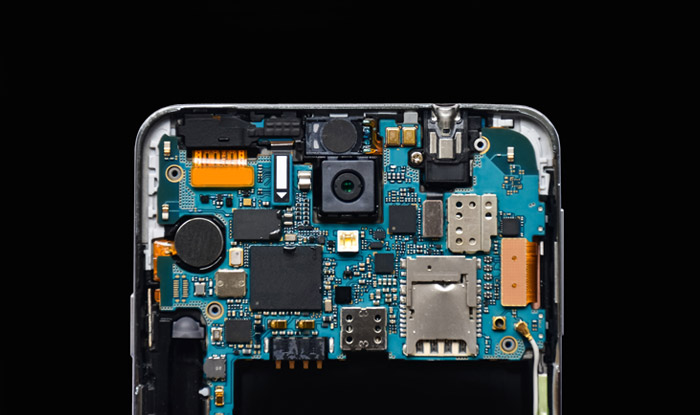
Every year, we produce more electronic waste than the year before, and most of it comes from the devices we use every day without a second thought. Phones, laptops, wearables, home appliances, and even smart gadgets make our daily lives easier. But these gadgets are built from a complex mix of materials that don’t simply disappear once we’re done with them.
It is high time we understand what goes into our devices. These materials in our daily use gadgets sit at the center of the global supply chain, climate goals, and even energy security.
While some are incredibly valuable and help power the world’s transition, others are toxic and can harm ecosystems and humans.
Knowing what is inside these devices makes it easier to appreciate why responsible recycling matters. And it’s not just about reducing clutter but protecting the planet.
- Why The Materials In Our Devices Matter
- Precious Metals And Minerals
- Toxic Heavy Metals Found In Modern Electronics
- Hazardous Chemicals
- Plastics
- Glass
- Conclusion
- FAQs
- What is a circular economy?
- How can I dispose of my old electronics?
- What valuable materials are inside my devices?
- What toxic metals are in electronics, and why are they dangerous?
- How do plastics in electronics affect recycling?
- Is glass in electronics recyclable?
- Why does understanding device materials matter?
- Why shouldn’t electronics just go to the landfill?
Why The Materials In Our Devices Matter
Most of us replace our phones and laptops long before they stop working, but the materials inside them don’t actually lose their value. Electronics today are built from metals and minerals that the world is struggling to source.
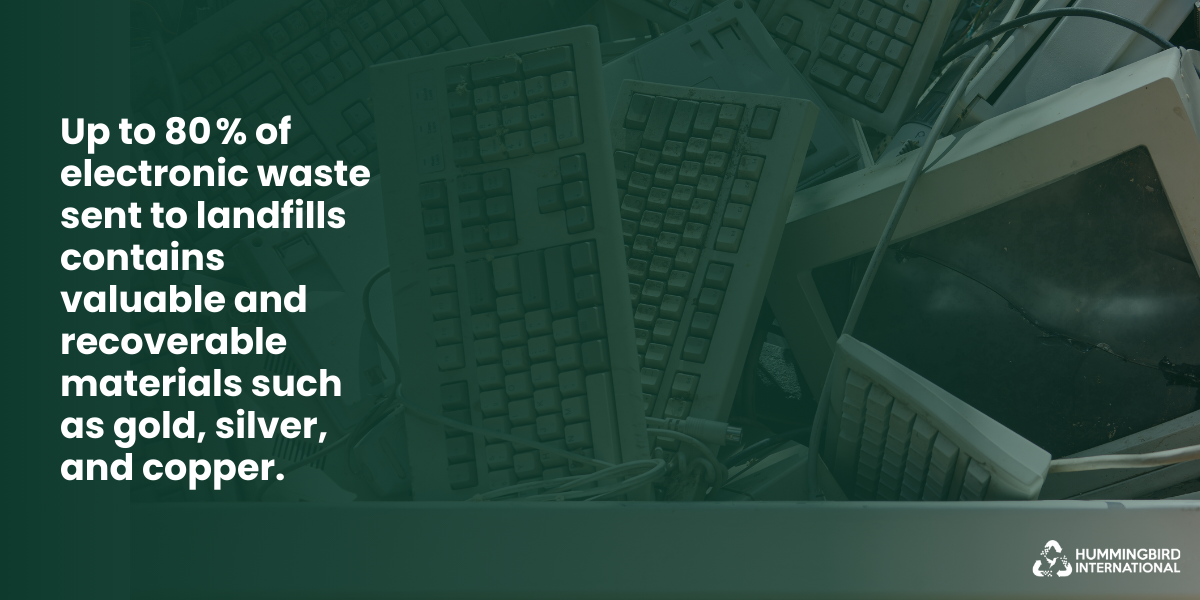
When these materials end up in landfills instead of recycling facilities, the loss is not just financial, but it also strains our already limited natural reserves. Additionally, they also have a very real environmental cost. The toxic substances found in batteries can seep deep into the soil and water, harming ecosystems, wildlife, and ruining communities.
By knowing what goes inside our electronics, we can push for a circular economy and the right to repair.
Precious Metals And Minerals
Our everyday gadgets are far more complex and contain high-value metals that help your device stay fast and reliable.

Image Source: iStock/Oat_Phawat
But what makes this mix so important and challenging is that these materials are limited. This is exactly why responsible e-waste recycling matters. Every device thrown away without proper recovery is a direct loss of metals that the world is struggling to secure.
Here is a clear breakdown of the key materials and their roles:
| Material | Where It’s Used | Why It Matters |
|
Gold |
Circuit boards, connectors, microchips | Exceptional conductivity and corrosion resistance. Tiny amounts carry high recovery value |
|
Silver |
Contacts, switches, soldering, high-performance circuits | Best conductor among all metals. Essential for fast-processing electronics |
|
Palladium |
Multilayer ceramic capacitors (MLCCs), sensors | Stabilizes electric flow. Crucial for miniaturized components in phones and laptops |
|
Platinum |
Hard drives, sensors, and some display technologies | Durable and heat-resistant. Used in small but valuable quantities |
|
Lithium |
Rechargeable batteries (phones, laptops, wearables, EVs) | Backbone of modern battery technology. Massive global demand growth |
|
Cobalt |
Lithium-ion battery cathodes | Improves battery lifespan and stability, a major factor in EV and smartphone battery performance |
|
Nickel |
Battery cells, hard drives, casings | Enhances energy density in batteries, making devices last longer on a single charge |
Toxic Heavy Metals Found In Modern Electronics
While the tech industry is moving towards safer materials, certain toxic substances can still be found in devices.
Image Source: iStock/jarun011
Once these materials are exposed to the environment, they do not break down; instead, they leak, spread, and contaminate their surroundings.
| Toxic Metal | Where It’s Found | Why It’s Dangerous |
|
Lead |
Solder, older circuit boards, and glass in older displays | Damages the nervous system; persistent in soil; harmful even at low exposure levels |
|
Mercury |
Flat screens, backlights, lamps | Highly toxic to the brain and kidneys. Vaporizes easily and spreads through air and water |
|
Cadmium |
Rechargeable batteries, chipsets | Carcinogenic; accumulates in kidneys, lungs, and bones. Remains in the environment for decades |
|
Arsenic |
Sensors, semiconductors, microprocessors | Toxic even in tiny quantities. Linked to skin, lung, and organ damage; contaminates water sources quickly |
With the rise in device use and rapid replacements, the risk of toxic material accumulation and contamination is worsening. And the only way to break the cycle is with e-waste management and certified recycling with the right experts.
Hazardous Chemicals
Other than metals, electronics also use a range of chemical compounds that are designed to improve performance and make your devices last longer.
Image Source: iStock/Stanislav Gvozd
Even though these chemicals are essential for a device’s lifespan, they can become very dangerous for the environment when the device is discarded. Here are some of the most common chemicals found in devices:
| Chemical | Where It Appears | Why It’s a Concern |
|
Brominated Flame Retardants (BFRs) |
Circuit boards, casings, cables | Persist in the environment; bioaccumulate. Linked to hormone disruption and developmental issues |
|
Hexavalent Chromium |
Metal finishes, corrosion-resistant coatings | Highly toxic. Damages skin, lungs, and organs; spreads easily through soil and water |
|
PVC (Polyvinyl Chloride) |
Cables, insulation, casings | Releases toxic dioxins when burned; difficult to recycle. Contaminates soil and air |
|
Phthalates |
Flexible plastics, cable coatings | Endocrine disruptors. Harmful to reproductive health. Widely detected in e-waste processing sites |
|
PFAS |
Semiconductors, sensors, water-resistant components | Do not break down. Travel long distances; linked to cancer and immune system damage |
Plastics
Your device may look harmless from the outside, but what happens when it is thrown away is entirely different.
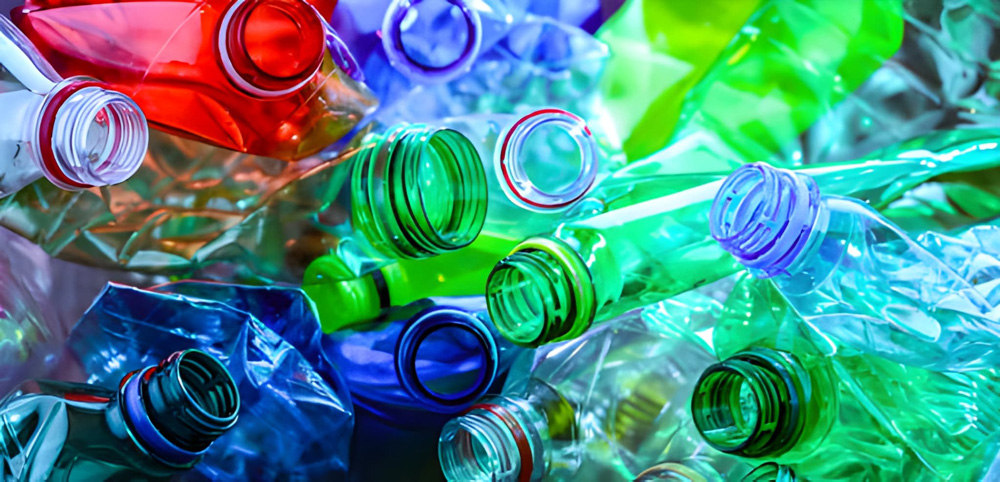
Image Source: iStock/monticelllo
The plastic keeps the precious and hazardous components safe, but even then, this comes with downsides. Most plastics in electronics are difficult to recycle, and there is currently no global solution to tackle them.
Therefore, plastic continues to pile up in landfills. Here are some of the most common plastics in electronics:
| Plastic Type | Where It’s Used | Why It Matters |
|
Polycarbonate (PC) |
Laptop casings, optical drives | Tough, heat-resistant, protects delicate components |
|
Polyvinyl Chloride (PVC) |
Wires, insulation, cables | Flexible and durable, but it releases toxic gases when burned |
|
Polyethylene (PE) |
Battery casings, packaging | Lightweight and resistant to chemicals |
|
Polystyrene (PS) |
Keyboards, buttons, small housings | Provides rigidity and insulation |
|
Polypropylene (PP) |
Charger housings, battery components | Durable, resistant to fatigue, widely used in small parts |
Glass
Glass is also used as a protective layer, but it also plays multiple critical roles, including in display panels, camera lenses, and internal components.
Image Source: iStock/ThomasVogel
But when it comes to recycling, not all glass is created equal. The older devices use leaded glass, while the newer ones use other materials infused into the glass.
Some of the glass types include:
- Flat Panel Glass
- OLED/ AMOLED Glass
- Leaded Glass
- Protective Lens Glass
The different types of glass make recycling more complex, but it is also more valuable if they are handled correctly.
| Type of Glass | Examples / Usage | Recycling Method | Common Reuses |
|
Container Glass |
Bottles, jars | Sorted by color → cleaned → crushed into cullet → melted and reformed | New bottles/jars, fiberglass, construction aggregate |
|
Fiberglass |
Insulation, automotive parts | Separated → ground into powder → reused | Cement, concrete, new fiberglass |
|
Lead Glass / Crystal |
Decorative glassware, fine tableware | Segregated → controlled melting → processed safely | Crystal products, industrial lead recovery |
|
Tempered / Safety Glass |
Car windows, shower doors | Shattered → used as aggregate | Roadbeds, concrete, construction material |
|
Glass Ceramics |
Ovenware, laboratory glass | Collected separately → crushed → special processing | Aggregate, ceramic applications |
|
Mixed / Colored Glass |
Any mixed color glass | Often crushed or ground | Construction aggregate, artistic glass products |
Conclusion
Our devices are much more than what meets the eye. They have many components, including precious materials, hazardous chemicals, and more. Knowing what’s inside our electronics serves as a wake-up call. Every phone, laptop, and battery should be recycled responsibly. This way, valuable materials get a second life, mining pressures ease, and harmful substances don’t sneak into our soil, water, and air.
FAQs
What is a circular economy?
A circular economy focuses on reusing, repairing, and recycling materials instead of discarding them.
How can I dispose of my old electronics?
Always go for a certified e-waste recycler or local collection program. This way, you wouldn’t have to throw your devices in the trash.
What valuable materials are inside my devices?
Your electronics contain rare metals like gold, silver, palladium, and platinum. Furthermore, they also include lithium, cobalt, and nickel.
What toxic metals are in electronics, and why are they dangerous?
Electronics can contain lead, mercury, and arsenic. These toxic metals can contaminate the soil, water, and air causing health and environmental damage.
How do plastics in electronics affect recycling?
Plastics like PVC release toxic gases when burned and are non-biodegradable. This means they can accumulate in the landfills if not recycled properly.
Is glass in electronics recyclable?
Even though it is complicated to recycle glass in electronics, it is still a possibility. However, they require specialized processing.
Why does understanding device materials matter?
Knowing what is inside our devices can help us learn more about the environmental and economic impact of not recycling our electronics. With a better understanding, we can take an active part in recycling and practice a circular economy.
Why shouldn’t electronics just go to the landfill?
Throwing away your electronics wastes valuable metals, can release hazardous chemicals, and contaminates the soil and water.


Leave a Reply