A decade back, the biggest recycling challenge was low participation from the masses, but in 2025, the challenge has changed, and now it’s contamination. You may have good intentions when it comes to recycling, but the action does not reflect that. 75% of Americans report recycling, but the actual recycling rate is closer to 32%.
The difference in the percentages is the people who practice ‘wishful recycling. They toss items into a bin and hope they will be recycled. It is one of the biggest reasons recyclable items end up in landfills.
But the answer isn’t to give up on recycling. It is time to start recycling smartly. To help you along the way, here are the Do’s and Don’ts of recycling.
Do’s
1. Follow Local Rules
Recycling isn’t the same everywhere. Facilities have their limitations. Some plastics, packaging, or mixed materials that look recyclable may actually be rejected. To recycle responsibly, take a few minutes to check your city or county’s official waste services page. Bookmark it, look for the “A-to-Z” list of accepted items, and make it your go-to guide before tossing anything in the bin.
| Category | State Examples / Scope | Key Rules / Programs | Notes |
|
Electronics / E-Waste |
CA, WA, NY, OR, NJ, IL, CT, PA, RI, SC, VT, WI | Take-back/recycling programs; landfill bans for TVs, computers, monitors; manufacturer responsibility laws | 25+ states have e-waste laws; some provide free drop-off locations |
|
Universal Waste / Hazardous Materials |
Most states adopt US EPA standards | Manage batteries, lamps, mercury-containing devices; some states expand coverage | Includes fluorescent bulbs, small electronics, some states include additional items |
|
Plastic / Packaging |
CA, OR, CO, ME, MD, WA, MN | Extended Producer Responsibility (EPR), bag bans, recycling targets | Polystyrene foam bans in CA, OR, MD, NY, VA |
|
Mandatory Recycling / Disposal Bans |
27 states + D.C. | Ban certain items from landfills (electronics, organics, tires); require municipal recycling programs | Enforcement varies; some states have recycling targets, others focus on disposal bans |
|
Local Ordinances |
San Francisco, Miami-Dade County, NYC, Austin | Mandatory separation of recyclables and compostables; curbside recycling guidelines | Cities may have stricter rules than the state; accepted materials can differ by municipality |
2. Keep Your Items Clean And Dry
This is the single most important thing you can do to make your recycling count. Any leftover food, grease, or liquid can ruin paper, cardboard, and even contaminate entire batches of other materials.
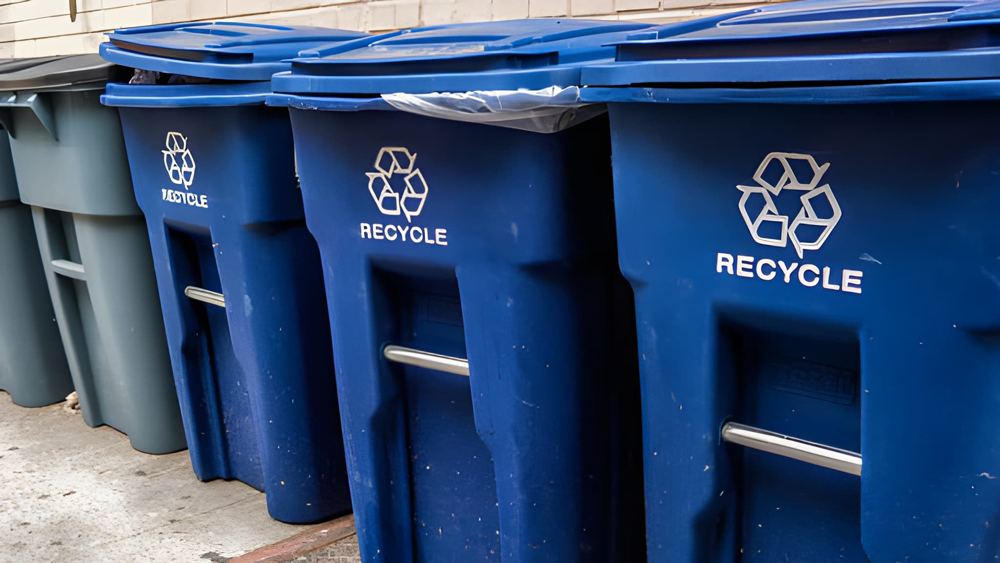
Image Source: iStock/elvis901
The containers don’t need to be sparkling, but a quick rinse goes a long way. It only takes seconds, but it prevents your effort from going to waste.
3. Flatten Cardboard
Cardboard boxes may seem harmless, but they take up enormous space in collection trucks and can jam sorting equipment. Breaking down boxes into smaller pieces creates more space, prevents damage to other recyclables, and keeps trucks on schedule.

Image Source: iStock/moisseyev
Flatten them, and this will help facilities handle materials more efficiently.
4. Handle Takeaway Boxes Responsibly
Grease is still the enemy of recycling. Pizza boxes, takeout containers, or anything with oily residue can ruin an entire load. But now, many communities have composting programs that make this easier.
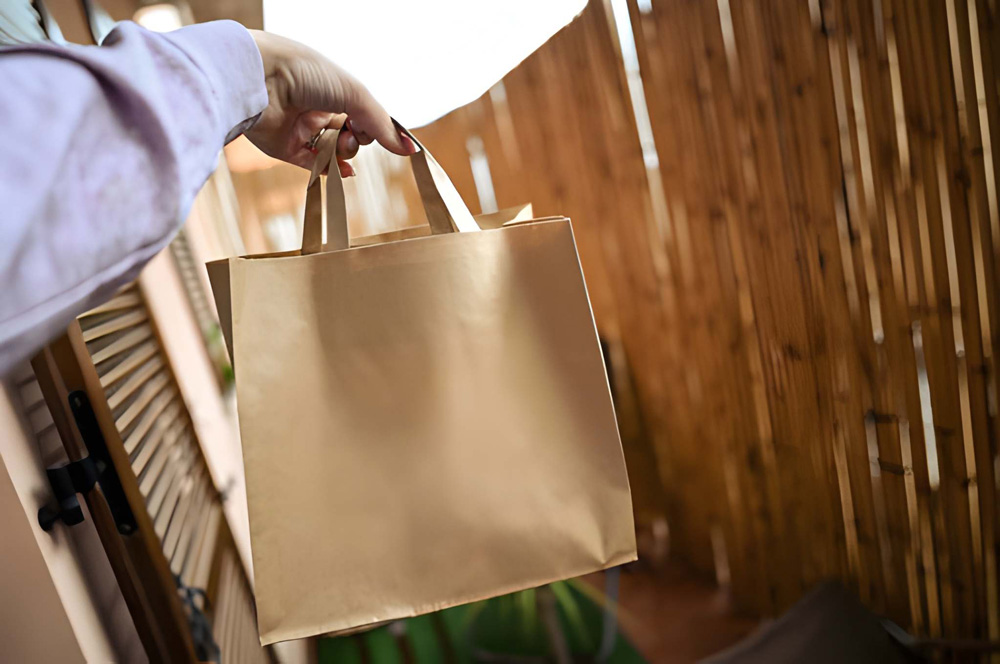
Image Source: iStock:iStock/Yuliya Taba
Tear the box into many sections, recycle the clean cardboard, and compost or trash the greasy portion.
5. Keep The Bottle Caps On
Why take off the bottle caps when they do more harm when let loose. These loose caps often fall through sorting machinery and are lost. Make sure the bottles are empty and rinsed when you screw the caps back on tightly.
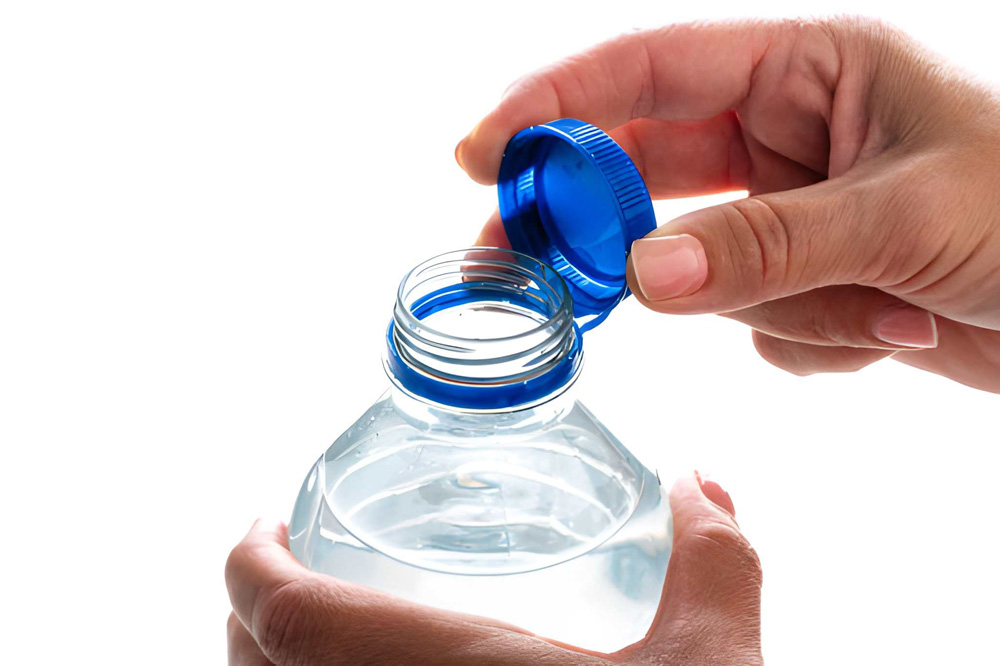
Image Source:iStock/fcafotodigital
Facilities now melt the cap and bottle together, so valuable plastics don’t end up in landfills.
Don’ts
1. Don’t Bag Your Recyclables
Plastic bags are the biggest headache for sorting machines. They get tangled in discs and wheels, causing the facility to shut down and costing time and money to untangle.
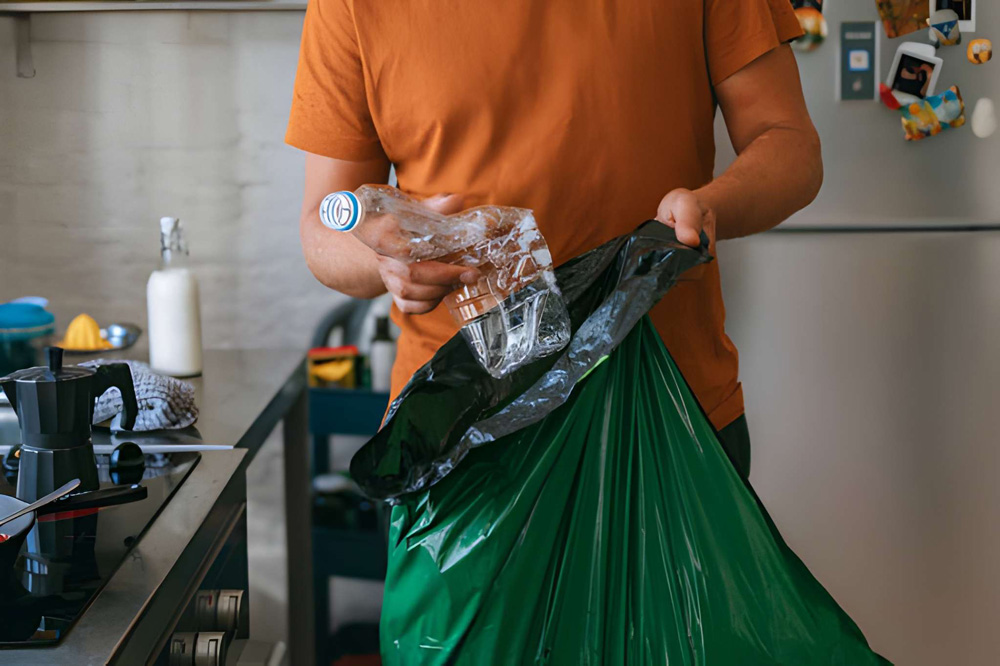
Image Source:iStock/miniseries
Even if you collect recyclables indoors in a bag, empty them loose into your curbside bin. Reuse the bag or recycle it separately at a store drop-off.
Recyclables You Should NOT Bag
(Put loose directly in curbside bin or recycling cart)
| Recyclable Type | Notes / Why Loose is Better |
|
Paper & Cardboard |
Bags jam sorting machinery; flatten boxes and place loose. |
|
Plastic Bottles & Jugs |
Bags prevent proper sorting and contamination; rinse first. |
|
Glass Bottles & Jars |
Bags increase breakage risk; place loose and rinse. |
|
Aluminum & Steel Cans |
Bagging can prevent automated separation; rinse before binning. |
|
Cartons (Milk, Juice, Soup) |
Bags interfere with material recovery; flatten slightly if possible. |
Bagging these items can make the recycling process much more difficult and inefficient. You can easily refer to the table above to learn how to handle recyclable items that shouldn’t be bagged.
Recyclables That Can Be Bagged (Special Cases)
(Bag separately and drop off at a store or special collection point, not in curbside bin)
| Recyclable Type | Where to Bag / Drop Off |
|
Plastic Bags & Film |
Reuse or drop off at grocery store plastic bag collection bins. |
|
Bubble Wrap / Plastic Wrap |
Store drop-off locations with plastic bag recycling. |
|
Soft Plastics (Bread Bags, Produce Bags) |
Store drop-off locations; never in the curbside bin. |
Be very careful with recyclables that can be bagged. Use this table as your point of information and recycle accordingly.
2. Keep Plastic Films Away From Bins
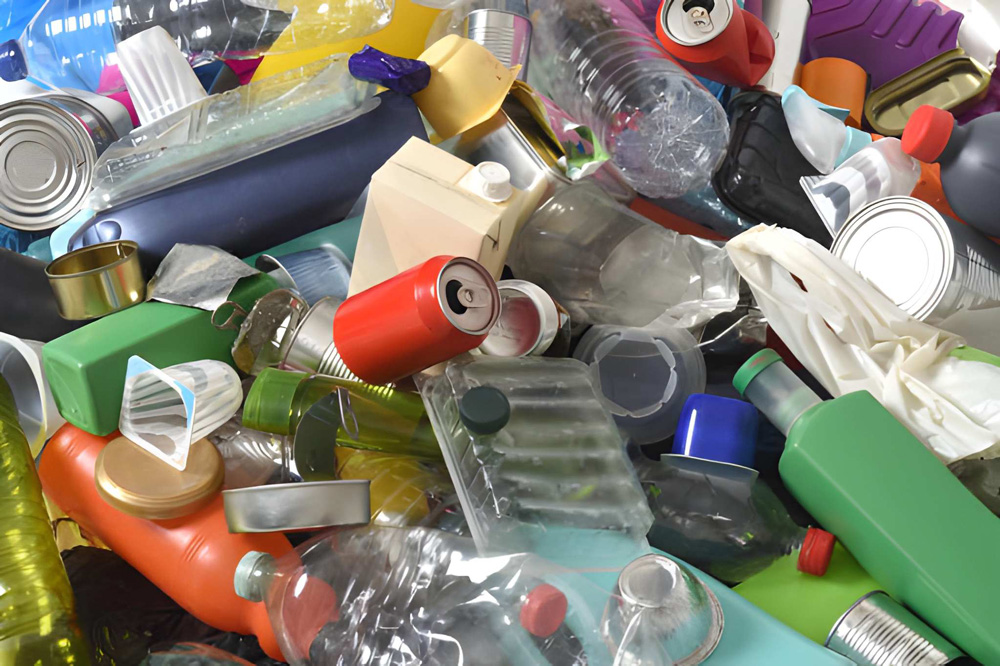
Image Source:iStock/curtoicurto
Thin plastics can jam machinery and even contaminate loads. This includes grocery bags, bubble wrap, chip bags, and shrink wrap. These “tanglers” should never go in your curbside bin. Instead, take them to designated store drop-off points.
3. Avoid Wish Cycling At All Costs
Wish cycling is one of the biggest sources of contamination today. As we mentioned above, wish cycling is a lot more like wishful thinking. Throwing recyclable items in a bin and calling it a day, secretly wishing the items would recycle on their own, will not cut it.
If it’s not on your local accepted list, toss it, donate it, or take it to a specialized collection site for electronics or hazardous waste. Items like clothing, batteries, and broken glasses do not belong in your curbside recycling.
Conclusion
Recycling in 2025 isn’t just about putting items in a bin. It is all about making smart choices, reducing contamination, and keeping the valuable materials in mind. The smallest of actions, like rinsing containers, flattening cardboard, and following local rules, add up. And by recycling correctly, you’re not just helping the environment, but you are also supporting jobs, conserving resources, and a lot more.
FAQs
What happens if I mix recyclable items and non-recyclable items?
If you do not separate, you may end up contaminating the entire batch of recyclables. This may force the recyclers to discard the whole batch.
What should I never put in a recycling bin?
You should avoid putting chemicals, electronic waste, and batteries in the recycling bin. They require special handling and can cause safety risks.


Leave a Reply